


How Veterans with PTSD and Loved Ones Can Manage Symptoms and Find Support
By Julia Merrill
Military veterans with PTSD, and the spouses, partners, friends, and family members supporting them, often face post-traumatic stress disorder challenges that can make ordinary moments feel unpredictable. Intrusive memories, hypervigilance, irritability, sleep disruption, and avoidance can strain relationships, work, and health while leaving people unsure what's "normal" or fixable. PTSD symptom management grounded in trauma-informed care doesn't erase what happened, but it can reduce the intensity and fallout of symptoms in daily life. The goal is steadier routines, clearer communication, and more reliable support for veteran mental health.
Build Stress Resilience With 6 Simple Mindset Habits
Once you start noticing what throws you off day to day, small mindset habits can help you regain steadier footing. A more positive mindset doesn't mean minimizing PTSD symptoms, it means practicing mental skills that can make daily stress feel more manageable. One helpful habit is reframing negative thoughts: when your mind goes to "I can't handle this," try shifting to "This is hard, and I can take one step." Another is focusing on small wins, like making a difficult phone call or getting through a crowded store, to reinforce progress even on rough days. Supportive routines, regular check-ins with a trusted person, consistent sleep and meal rhythms, and predictable transitions, can also reduce the mental load and create more emotional balance. Many veterans find that positive mindset practices offer simple ways to build resilience and open a little more space for healing.
Use a 7-Tool Toolkit for Day-to-Day Symptom Management
PTSD symptoms can change hour to hour, so it helps to have a small set of tools you can pull out quickly, then practice them enough that they work under stress. Think of this as the "skills" side of the mindset habits you're building: supportive self-talk, gratitude, and self-compassion make it easier to use these tools when your body is on high alert.
Track triggers like a field log: For 1-2 weeks, jot down three quick notes when symptoms spike: what happened right before (sight/sound/place/topic), what you felt in your body (tight chest, scanning, nausea), and what you did next (left, argued, froze). This turns "it came out of nowhere" into patterns you can plan around, like avoiding certain news loops at night or taking a different route past a construction site. Keep it simple, details matter less than consistency.
Use controlled breathing to downshift your nervous system: Pick one breathing pattern and rehearse it when you're already calm so it's available when you're not. A practical option is inhale 4 seconds, exhale 6 seconds for 3-5 minutes, keeping the exhale longer than the inhale to signal safety. Pair it with the resilience habit of helpful self-talk, such as "This is a body alarm, not a current threat," to reduce the urge to fight the feeling.
Ground hard when you feel pulled into the past: Grounding techniques work best when they're physical and specific. Try the 5-4-3-2-1 scan (five things you see, four you feel, three you hear, two you smell, one you taste) while pressing your feet into the floor for 10 seconds. If you're with a loved one, agree on a simple cue like "Name five blue things" so support feels practical rather than pressuring.
Journal for processing, not spiraling: Use therapeutic journaling in short, contained windows, 10 minutes max, then do a "close-out" line: one thing you did well today or one small next step. A helpful structure is two columns: "What my threat system is saying" and "What I know is true today," which builds on the mindset habit of balanced self-talk. If journaling increases distress, switch to a facts-only log or save deeper writing for therapy.
Protect the body basics that amplify symptoms: Physical health maintenance isn't about perfection; it's about lowering the baseline stress load. Aim for a consistent wake time, daily daylight exposure, and movement most days, even a 10-minute brisk walk can help discharge tension. Reduce stimulants that mimic hyperarousal by setting a caffeine cutoff (for many people, 6-8 hours before bed).
Make counseling and therapy easier to use week to week: Show up with data, not just memories: bring one trigger pattern, one coping win, and one stuck point. A simple way to track change is using the PCL-5, a 20-item self-rated scale that maps symptoms across key PTSD clusters, so you and your clinician can see what's shifting. Loved ones can support by asking, "What should I do when you're activated, space, grounding, or a check-in?" and writing it down.
Practice mindful meditation as attention training: Mindful meditation is less about emptying your mind and more about noticing attention drifting and gently returning it, 60-120 seconds at first. Start with an anchor that feels safe (feet on the floor or ambient sounds) and end with a brief gratitude cue ("one thing that went okay") to reinforce the resilience habits you're building. If closing your eyes increases anxiety, keep them open and soften your gaze.
Evaluate Float Therapy for Hyperarousal: What to Know
Once you have a day-to-day toolkit, it can help to add restorative options that calm the body's stress response. Float therapy, resting in a quiet, dark, saltwater tank, may ease hyperarousal by reducing sensory input and supporting deep relaxation, which can help with tension, sleep disruption, and feeling "on edge." Some people also benefit from other wellness services such as gentle movement, massage, breath-based practices, or mindfulness-focused sessions to build recovery routines alongside clinical care. Start conservatively, stop if it increases distress, and discuss fit with your care team. Next, we'll cover common in-the-moment questions and next steps.
PTSD Support FAQs for Veterans and Families
Q: What can help in the moment when symptoms spike?
A: Start by lowering stimulation and grounding the body: slow breathing with a longer exhale, feet on the floor, and naming five things you see. If it feels safe, move to a quieter space and use a predictable coping cue like cold water on hands or a weighted blanket. If a technique increases panic, stop and switch to something simpler.
Q: When should we seek professional mental health support instead of self-care?
A: Get help if symptoms persist for weeks, interfere with sleep or work, or lead to risky coping like heavy substance use. Seek urgent support if there are thoughts of self-harm, violence, or you cannot stay safe at home. A clinician can also screen for depression, TBI, or sleep disorders that may be amplifying symptoms.
Q: How do we support a veteran without "pushing" them into talking?
A: Ask what feels helpful before a hard moment happens, and agree on a short script like "Do you want space, company, or a walk?" Focus on choices, not details of the trauma. Consistency builds trust.
Q: Can evidence-based treatments really reduce PTSD symptoms?
A: Many people improve with trauma-focused therapies, and some technology-assisted options show promise. In one trial, 75% of participants experienced at least a 50% reduction in PTSD symptoms using virtual reality exposure therapy. A provider can help match treatment type to readiness and triggers.
Q: What can families do to keep kids supported and reduce household tension?
A: Keep routines predictable and explain symptoms in age-appropriate language without blaming anyone. Schools and child programs that use a safe and respectful environment can help children build emotional regulation and stability. Create a simple family plan for quiet time, conflict pauses, and who to call for backup.
Sustaining PTSD Recovery With Practice, Support, and Self-Compassion
PTSD can make daily life feel unpredictable, symptoms flare, routines break, and loved ones may not know what to do next. The steadier path is a practical mindset of ongoing skill practice, clear communication, and using support resources early, paired with self-compassion when things don't go as planned. Over time, this approach reduces crises, builds confidence in handling triggers, and supports hope and recovery for veterans and families alike. Progress with PTSD is built through consistent practice and timely support, not perfection. Choose one next step today, schedule a check-in with a provider, join a group, or agree on a family plan for hard moments. That commitment strengthens stability, connection, and long-term health.
Julia Merrill

The Word Is Getting Out About Our ASMR Massage
The Washington Post recently featured TheraKneads’ ASMR Massage in an article about “self-care steals.”
On April 10, 2024, The Washington Post featured TheraKneads Wellness Center’s ASMR Massage in an article about “self-care steals.”
“Are you someone who is always asking your mom, partner or sibling to play with your hair or give you back tickles? Then this ASMR massage is tailor-made for you.
ASMR stands for autonomous sensory meridian response and basically means the tingles you get when you watch a satisfying video or when someone plays with your hair. Enthusiasts often watch ASMR videos to fall asleep, and ASMR-tagged videos on TikTok have garnered over 370 billion views.
With such a huge audience, it’s hard to understand why there are so few places that do ASMR massages. TheraKneads recognized the lack of practitioners in the area and looked to fill that role. People now travel from hours away to get the unique experience, for which you can choose to have the sound of either a crackling fire or a thunderstorm in the background.
As with a traditional massage, you are instructed to undress to your comfort level, but they request that you remove any bra straps for back and shoulder tickles. From there, you lie on a heated massage [table] as your massage therapist begins playing with your hair; brushing your face and arms with a soft brush; and lightly scratching or tickling your arms, face, back and neck. They can also focus on areas like your hands or legs if that’s what gives you relaxation.
Starting at $65 for a half-hour massage, this is an unusual and luxurious, yet incredibly personal service.”
Learn more, and book your very own, customized ASMR Massage here: https://therakneads.com/asmr-experience
Read the full Washington Post article here: https://www.washingtonpost.com/dc-md-va/2024/04/10/self-care-bargains-dc-area/

The Benefits of Combining Reiki and Massage Therapy
By addressing both the physical and energetic body during one wellness treatment, the results can truly be remarkable.
Reiki has become a popular healing modality over the last several years due to reports that it can help manage stress, anxiety and even physical pain.
But what exactly is Reiki?
Reiki is a kind of energy healing that addresses universal lifeforce energy. All living things have this lifeforce energy flowing in and around them. Just like highways can become jammed up during rush hour, our energy pathways and centers can also become congested.
When this occurs, we can begin to feel fatigued or experience headaches, digestive disturbances, depression, anxiety and overwhelm. If this pattern continues, it can lead to dis-ease in both the emotional and physical body.
When you receive a reiki treatment, the practitioner is essentially treating the energy in and around your body by laying their hands on or above energy centers to help restore proper flow, so that your body can then begin to heal itself.
What makes Reiki a great addition to your massage session?
Massage therapy tends to work more with your physical body; muscles, tendons, lymphatic and circulatory systems, and it can help calm your nervous system as well.
Often times dis-ease and imbalances begin in the energy centers of your body, and you often aren’t able to see or experience these imbalances until they reach the physical level.
By addressing both the physical and energetic body during one wellness treatment, the results can truly be remarkable. Reiki is a gentle, calming adjunct to your bodywork treatment, which can go deeper into addressing the root causes of your imbalances and restoring homeostasis. You will most likely leave feeling lighter, calmer, refreshed, uplifted and more grounded.
If you’re interested in combining massage therapy and reiki energy healing, book your appointment online today!

Empowered Wellness and the Benefits of Having a Wellness Mentor
It’s that time of year again! Everyone is declaring their New Year’s resolutions and sincerely wanting some part of their life to be different than it is. Desiring change will not lead to you experiencing sustainable change unless you know how to effectively close the gap between where you are and where you want to be.
Guest Blog by Michele Pedersen, Transformational Wellness Mentor & Healing Arts Practitioner
It’s that time of year again! Everyone is declaring their New Year’s resolutions and sincerely wanting some part of their life to be different than it is. Desiring change will not lead to you experiencing sustainable change unless you know how to effectively close the gap between where you are and where you want to be.
First and foremost, for clarity’s sake, I’d like to offer my definition of wellness. Wellness is a state of wellbeing that is cultivated by optimizing the areas of your life that are foundational to your sense of “wellness.” Living from a conscious state of wellbeing may prevent disease, lessen disease, or alleviate it altogether.
One of the most important decisions you can make toward cultivating a lifestyle that promotes a state of wellbeing is choosing to adopt an empowered mindset and vocabulary. The purpose of becoming aware of your recurring thoughts and word choices is that repetitive habits create pathways in your brain that are associated with certain feeling states.
Emotions create physiological/chemical responses in your brain and body that affect your nervous system. Your nervous system is responsible for keeping you safe and alive. If, for example, you have a habit of worrying or ruminating about all the things that could go wrong, your nervous system is living in a chronic state of fight, flight or freeze. Your muscles become tight, your body becomes inflamed and you may experience chronic pain, insomnia, digestive disturbances and eventually mental and physical imbalances, referred to as disease. The majority of this is preventable.
Maybe in your quest for better wellness you’ve heard about epigenetics, which is when your environment (inner and outer), lifestyle, mindset and nutritional habits turn certain genes on that are associated with genetic predispositions you were born with. Once these genes are turned on, it is a lot harder to address and turn them off. It is more empowering to make lifestyle and nutritional choices that keep these genes from expressing themselves in the first place.
Choosing different thoughts and behaviors is easier said than done because not only are certain genetic predispositions passed down, but patterns of thinking and behavior can be inherited, as well. Mental and emotional patterning tend to reside just outside of your awareness, while dictating the majority of decisions and experiences you have. This tendency is wonderful if you have supportive, loving thoughts and self-concepts, but the majority of your decisions come from your subconscious mind, where unsupportive, fear-based and self-destructive thoughts can reside, leading you down roads of self- destruction, lack of fulfillment and disease. All of this, again, is your nervous system’s way of protecting you.
How do you become aware of the thoughts that are living in your subconscious mind so you can break this feedback loop?
There are many effective mindfulness tools and therapeutic approaches available that will support you in accessing your subconscious mind and thoughts, so you can begin to live a more empowered and intentional life, one where you feel vibrant and fulfilled.
Hypnotherapy, Theta healing, Interfamily Systems and Biofield Tuning are just a few I’ve delved into and have had great success utilizing with my wellness coaching clients. The human psyche is very complex and some approaches are more effective for certain individuals than others, and during different seasons in your wellness exploration.
Hypnotherapy is something I have studied through HypnoBirthing and have seen great success with. This approach serves the purpose of supporting pregnant women in having calmer, more peaceful, confident and empowered birthing experiences.
During sessions, the pregnant woman is gently guided into a deeply relaxed mental and physical state. Certain breath patterns, visualizations and relaxation exercises are taught and practiced throughout her pregnancy.
Unsupportive thinking patterns around birth, pain, being capable of navigating labor and becoming parents are addressed. Unconscious fears and beliefs are brought into conscious awareness so they can be reconciled and more supportive, and empowering beliefs can be adopted in their place.
Women who have taken these classes and practice the tools regularly have easier and calmer births, babies and adjustments to postpartum parenthood. I find that this approach works very effectively in my wellness coaching sessions with women who are not pregnant or also for women who want to conceive.
Theta Healing, another wellness tool, teaches certain meditation techniques that help you go into a deeply relaxed state and access areas in your consciousness that have stored certain beliefs, those that are associated with unwanted life experiences and habits. These areas can be located in your core, adopted from the collective consciousness and/or history, and can be genetic or inherited. Locating these beliefs and dissolving them leads to changes in perception and experiences, and may release you from longstanding patterns and disease.
The InterFamily Systems Approach addresses “parts” of the whole integrated “Self” that disassociated or fragmented as a result of experiencing unprocessed trauma. It is the psyche’s brilliant way of protecting you and helping you to cope with the trauma event or events. Accessing these parts from your adult-self and forming a dialogue for the purpose of re-instilling a sense of safety and trust with each of these parts that live in your subconscious is often necessary when longstanding patterns are keeping you from making progress or experiencing a sense of fulfillment in your life and relationships.
Biofield Tuning is an approach based on the understanding that we have an electromagnetic field around us. This field is a consciousness field and carries memory. It is an extension of our physical body, which includes our cells and cell memory. The field that surrounds us, along with our physical cells and tissues are thought to contain memories from conception (or prior) onward. Some of these memories are associated with unprocessed traumatic events and they remain ‘frozen” as a result.
Everything emits a frequency. All of your thoughts and emotions emit a frequency. Frozen trauma emits a frequency, which is out of resonance with your natural state or flow. It is like a discordant note playing in a symphony. The biofield or the bio-magnetic consciousness field that surrounds you, can be tuned using specific tuning forks or sound bowls that emit certain frequencies. This vibration begins to “unfreeze” the trauma and allows your field to reset itself or “retune” to its original energetic blueprint.
When I have used this tool and process with my wellness coaching clients, they often have images or memories of forgotten events or just a sense of feeling lighter, freer and connected with themselves in a way they can’t recall having experienced before or in a very long time. I refer to this as a “homecoming.” The vibrations of stuck grief and trauma can be very dense and heavy, and once they are vibrating at a different frequency it can lead to the feeling of lightness and release.
These are just a few of the approaches I have successfully taught my clients in our wellness sessions in order to amplify and accelerate their progress. It is my experience that if we only focus on nutrition or changing thought patterns, without treating the underlying causes, we don’t get very far.
You are a whole person and made up of many moving and integral parts. All of these aspects need to be addressed in order for you to experience more sustainable life changes, rather than temporary fixes.
Incremental changes made consistently over time that do not stretch you too far outside of your comfort zone too quickly are most effective. I have found that it is important to cultivate trust and safety and to continue to re-instill a sense of trust and safety in your nervous system in order to make sustainable progress, rather than attempt to make too much progress too quickly. This can lead to overwhelm, discouragement, sabotage and shutdown or “freeze,” which is counterproductive to making real progress on your healing journey.
It is important to clarify that healing is not a “quick fix”. Everyone has a unique blueprint and a unique history. Healing is not a “one-size-fits-all" approach. Healing in my definition is guiding the mind, heart, body and soul back to homebase; the remembrance of your essential wholeness, where wellbeing lives and breathes. It is important to honor your organic pace, which will support your nervous system to release, restore and assimilate new information and feedback with a sense of safety, as your anchor during this process.
When I work with you, I work with your body, emotional patterns, thought patterns, subconscious, inner “parts,” meridians, chakras, nervous system and your electromagnetic field. I start where you are, we set an intention for the session, and I follow the path that opens up before me as I lay hands on you.
The majority of the clients I work with experience a very immediate and profound shift in their emotional state, express a feeling of lightness that is difficult to describe, a sense of connection with themselves (like being plugged back in), and a feeling of being at peace and grounded in their body. Some clients need time to process and integrate their experience over time.
All of these approaches support your nervous system in resetting and restoring equilibrium. When this happens, your entire system (mind, heart, body and soul) benefits!
Michele Pedersen is a Holistic Massage Therapist and Intuitive Wellness & Life Mentor. She believes that oftentimes physical pain is associated with an underlying energetic block or emotional overwhelm. The main goal of her work is to help her clients regulate their nervous systems, which when functioning improperly (in a state of fight, flight or freeze), can lead to a disruption in hormones, gut health, physiology, brain chemistry, as well as chronic states of inflammation, pain and dis-ease. If you’re looking for a massage therapist who focusses solely on the muscles and physical body, Michele is not the right therapist for you. Michele is committed to your overall wellness and treating you on all levels, with a holistic approach.
If this message resonates with you and you would like to work together, you can schedule an Initial Consultation with Michele to determine whether you would be a good fit!

How To Save Money on Your Massages
For many people, massage therapy is not just a luxury. It is part of a well-rounded healthcare plan that helps improve their physical, mental and emotional health. But how can you make regular massage therapy more affordable?
For many people, massage therapy is not just a luxury. It is part of a well-rounded healthcare plan that helps improve physical, mental and emotional health when received on a regular basis. But how can you make regular massage therapy more affordable?
Buy packages
Many wellness centers and massage therapy establishments offer discounts on massage therapy and other wellness services when you purchase several at one time. This can also help keep you accountable and more likely to commit to care on a regular basis when you know you have more services on your account that you’ve already paid for. To view pricing for our packages at TheraKneads, click here.
Look out for sales
At TheraKneads, our Annual Black Friday Sale is our biggest sale of the year with the greatest opportunity for savings. Many clients actually choose to purchase all of their massages for the year at this time to make the most out of the sale. You can also follow us on social media and sign up for our emails to learn about other sales that pop up.
Come monthly (or more)
If you come in at least once a month or more and receive a service that is 60-minutes or longer, you’re automatically eligible for our monthly discount of $10 off your session. Over the course of a year, this adds up to a free massage!
We know how beneficial massage therapy is for our community. That is why we try to keep our services as affordable as possible while offering multiple ways to save on your sessions throughout the year. Click here to book your next massage therapy appointment online.

Help Treat Your Condition with Medical Massage
Medical massage is used with the purpose of helping to treat a medical condition diagnosed by doctor. Learn which conditions can be treated, what techniques are used, and if you need a prescription.
Medical massage is massage therapy and other techniques used with the purpose of helping to treat a medical condition diagnosed by doctor. Some conditions that can be treated with medical massage include:
- sciatica,
- frozen shoulder,
- thoracic outlet syndrome,
- shin splints,
- carpal tunnel syndrome,
- plantar fasciitis,
- headaches/migraines
- TMJ (temporomandibular joint disorders)
- muscle strains,
- pain in the back, shoulder, knee or hip.
Techniques used during medical massage
Besides therapeutic massage, techniques utilized during medical massage depend on each client’s specific circumstances and may include:
- myofascial release,
- positional release,
- manual traction,
- cupping,
- manual lymphatic drainage,
- neuromuscular therapy, and
- muscle energy techniques.
Do you need a prescription?
In most cases a prescription for medical massage is not required. However, you may be able to be reimbursed from your instance company if you do have a doctor's referral. This is something you will want to speak to your insurance company about, and the establishment you are receiving treatment from can provide an invoice for you to submit to them if necessary.
How is medical massage different from regular massage?
Medical massage in not the same as traditional Swedish, relaxation-based on even deep-tissue massage. You first session will begin with a thorough assessment of your posture, range of motion, and walking gait. After that, a treatment plan will be put in place and the massage portion of the session will begin. Massage, plus any other techniques listed above, may be utilized. You will be very involved during your session by providing feedback and actively resisting or engaging your muscles at certain times. In addition, clothing does not need to be removed for medical massage, as the massage can be done through clothing. Sports-wear and sports bras are perfectly acceptable for this kind of treatment.
What now?
If you have a condition you suspect can be treated with medical massage, book your first session online here. For specific questions or inquiries, give us a call at 410-549-7711.

How Often You Should Get a Massage
There are no “standard guidelines” when it comes to how often you should get a massage—but it is true that various frequencies will provide different results to help you meet your personal goals. Check out our break down to better understand the best option for you.
Professional massage therapy can be used as a way to reduce pain and muscle tension, relax and let go of stress, recover from (or prevent) injuries, or even just as a way to treat yourself for a special occasion.
There are no “standard guidelines” when it comes to how often you should get a massage—but it is true that various frequencies will provide different results to help you meet your personal goals.
For example, massages to help heal an injury are typically more frequent, while massages for enjoyment purposes alone can usually occur less often. See our break down below to better understand the best option for you.
1. You are generally free of pain and have little stress in your day-to-day life.
Congrats! You are clearly doing something right when it comes to taking care of yourself both mentally and physically. A massage every now and then should be just fine for you–unless you simply enjoy massages. In that case, feel free to go in as often as you like! You may even want to try out specialty massages like ASMR, Ginger Tea or Thai Massage for the opportunity to try something new.
2. You have pain flare-ups on occasion and/or a moderate amount of stress.
In this instance, a monthly massage (or more if you prefer) is likely the best option for you. Full body Swedish techniques paired with deep tissue work on focus areas may help your pain flare-ups occur less often and help you keep your stress level in check. Regular massages are also shown to reduce cortisol levels and give you a better night’s sleep.
3. You have chronic pain that comes back often, you are recovering from an injury, and/or you have high levels of stress or anxiety.
If you are dealing with any of the above issues, a weekly or bi-weekly massage may be the best option for you initially. This will ensure your therapist is not “starting from scratch” after each treatment due to your muscles returning to their previous patterns of dysfunction after too much time passing between sessions. Massage therapy has also been shown to lower stress levels and feelings of anxiety, as well as improve mood. Once your pain and stress levels lessen, then you should be able to come in on a monthly basis for upkeep.
Of course, when it comes to any physical or mental ailments, you’ll also want to check with your doctor to make sure he or she agrees this treatment plan to be the best option for you.
If regular massages aren’t in your budget, this doesn’t mean you should “give up” or feel like you’ll be stressed out or stuck with an injury forever. Consider buying a package, which is more money up front, but saves you in the long-haul, as well as potentially lengthen the time a bit between each session. It can also be helpful to learn some self-massage, stress-reduction, and stretching techniques you can do at home to help provide relief on your own until you’re able to be seen by a massage therapy professional.
For more information about TheraKneads Wellness Center’s package pricing visit our price list or make your next appointment online.

The Trick to Staying Healthy & Balanced This Spring
Understanding your personal Ayurvedic dosha, as well as the dosha of the season, you can tailor your food and lifestyle habits to help you stay healthy and balanced this spring.
Originating in India more than 3,000 years ago, Ayurveda is considered by many scholars to be the oldest healing science. In Sanskrit, Ayurveda means “the science of life.” It is an alternative medicine approach that uses nutrition and lifestyle practices to regain balance among one’s body, mind, spirit and environment based on your unique constitution and the current seasonal elements.
As we transition from winter into spring, many people experience colds, congestion, or allergies as their bodies attempt to eliminate excess that has been stored in their body over the winter. This transition can also affect you mentally and emotionally, including experiencing brain fog, low energy, or feeling ungrounded, agitated and frustrated more than usual.
Though as we naturally sense an opportunity for a fresh, clean start, our bodies are primed to lighten things up, cleanse ourselves of any accumulated imbalances and rejuvenate our deepest tissues. This can be done using Ayurvedic guidelines.
A big part of understanding Ayurveda is understanding the three doshas. Each doshas represents a different archetype of person, and signifies different types of foods and activities that reinforce their strengths and balance out their weaknesses. The three doshas are vata, pitta and kapha. The three doshas are also associated with different seasons.
Aavrani.com, a website dedicated to Ayurveda, explains the doshas this way:
“Vata
Vata is the dosha made up of air and space and embraces movement, being linked to flexibility, creativity, and body movements like muscle contraction, breath, and heart function. Physically, vata body types are typically thin and lanky and have dry skin and frizzy or thin hair, thus dislike cold and dry climates. Emotionally, vata brings forth scattered and racing thoughts, the ability to learn quickly (but have difficulty retaining content), and a knack for creativity and multitasking.
Weaknesses
Unbalanced vata can be forgetful and flaky, struggling to stick to routines or complete projects. They may have an unstable demeanor that errs on anxiety and become easily overwhelmed, as vata is the dosha most easily impacted by stress. They also tend to have irregular eating and sleeping patterns and are prone to digestive issues.
How to balance vata dosha
To balance out the vata dosha’s cold and dry characteristics, put an emphasis on restorative, warming, and grounding routines:
Eating warm and moist foods that are rich in protein and fat, and have sweet, sour, and salty tastes while avoiding dried and cold foods like dehydrated fruit and frozen desserts.
Maintaining daily routines for meals, hydration (which is especially important because this air-based dosha increases dryness), meditation, and sleep.
Avoiding erratic or disruptive schedules, minimizing travel, and decreasing time spent on technology. Introducing consistency is key to this dosha’s equilibrium.
Pitta
Pitta is the energy made up of fire and water, and rules digestion and emotions. Often correlated with summer, the pitta body types are usually medium build, athletic and muscular, have oily or freckled skin, and straight hair. Emotionally, pitta’s temperament skews toward intelligence and drive, making them confident and strong leaders.
Weaknesses
When pitta is imbalanced, they will experience physical symptoms like heartburn, indigestion, psoriasis and other skin conditions, and alopecia. Emotionally, they may become angry easily, exhibit impatience and competitiveness, and easily become jealous.
How to balance pitta dosha
The following strategies will be most beneficial to the fiery pitta dosha:
Eating foods that are nourishing and refreshing, with sweet, bitter, or astringent tastes, such as fruit and coconut water. Mild herbs and spices such as Dill, Mint, and Cinnamon can also be beneficial.
Engaging in consistent, non-competitive exercise like hiking or swimming that also help to meditate and connect with nature. Maintaining a work-life balance and engaging in self-care is also crucial to this workaholic type.
Avoiding stimulants like coffee, acidic foods, and foods that are fermented, heavy, or particularly spicy.
Kapha
The kapha dosha is made up of the water and earth elements, making it a stabilizing energy that keeps things together and provides a support system for others. Kapha dosha people experience life in a slow, intentional manner, rarely becoming upset and usually thinking before they act. Their demeanor is typically calm, caring and empathetic, patient, positive, and romantic. Physically, their stability is represented by a strong frame, healthy hair, and clear and smooth skin. Their facial features, like eyes and lips, are typically more pronounced than those of the other doshas. Kapha dosha is drawn to leisurely activity and enjoys routines in their life.
Weaknesses
Unbalanced kapha may feel physically congested, such as in the sinuses and respiratory system. Their usual stamina may be interrupted by periods of sluggishness and depression and a noticeable withdrawal from their social circles.
How to balance kapha dosha
Bring balance to the kapha dosha by trying out these strategies:
Eating foods that are flavored with pungent spices like Cayenne and Ginger, and that are warm and nourishing, like Quinoa and colorful vegetables. Lighter proteins such as Chicken and Turkey are also recommended in favor of heavier meats like Beef. These options help stimulate the metabolism and combat the kapha’s sluggish nature.
Occasionally shaking up your routine to incorporate more physical and mental stimulation, such as with exercise and meditation. Find ways to maintain a warm body temperature, like in a sauna, for example, or on a walk in the sunshine.
Avoiding lethargy by waking up earlier and refraining from taking naps. It’s more beneficial to the kapha dosha to stay active and engaged during the waking hours.”
Ayurveda teaches us that like increases like. So by its nature, springtime tends to increase kapha. And when we consider by winter’s end, a bit of kapha accumulation is somewhat inevitable for most of us, spring has the potential to add insult to injury in the kapha department.
Understanding your personal dosha, as well as the dosha of the season, you can tailor your food and lifestyle habits to help you stay healthy and balanced. Learn more about how to do this in our Nervous System Reset: Spring Cleaning with Ayurvedic Wisdom Mini Retreat here.

Immune and Mental Health Support During Colder Months
Coupled with the celebrations and “letting go’s” that autumn brings, there are also vulnerabilities to our health and well-being. Learn some helpful tips for nurturing your mind and body during the fall season in order to prevent or minimize potential imbalances.
TheraKneads Blog Takeover: From our very own Michele Pedersen, Transformation Wellness Mentor & Healing Arts Practitioner
There is often excitement, anticipation and a bit of nostalgia that radiates throughout the atmosphere this time of year. Fall is a time of letting go of the expansiveness and warmth the summer season offers, and moving inward to reflect. We are reminded of this as we witness the leaves letting go of the branches that have been holding them since they were buds in the spring. Coupled with the celebrations and “letting go’s” that autumn brings, there are also vulnerabilities to our health and well-being.
Below are some helpful tips for nurturing your mind and body during the fall season in order to prevent or minimize potential imbalances.
Mindfulness for Nervous System Regulation:
What I have discovered in my research and experience is that when we experience chronic stress in our bodies, our bodies begin to break down. Fear and stress are catalysts for an increase in cortisol production. When this becomes a regular, continuous response in our body, it affects our hormone balance, and creates an inflammatory response in our bodies. This combination impacts our immune function. Some of my favorite mindfulness activities help to “still” the mind and relax the body are:
- diaphragmatic breathing
- Qi Gong
- meditation,
- gratitude practice, and
- sound bowl therapy.
Nutrition/Gut Health:
While you are strengthening the foundation of your nervous system health with a variety of mindfulness approaches, the nutritional approaches I suggest will be able to take root more effectively. During this time of year, it is important to consume:
- whole, unprocessed foods
- local, in season and organic produce
- vegetables, fruits and healthy fats (olive oil has antiviral properties)
- ghee (nourishes your nervous system)
- coconut oil (the highest source of lauric acid, which has been found to be antiviral, antibiotic and antifungal)
- legumes
- grass-fed beef
- wild caught fish and shellfish (high in zinc for immune function)
- bone broth (for gut and immune health)
-sauerkraut and fermented foods
The lungs and large intestines are especially vulnerable and susceptible to imbalances during this time—showing up as colds, sinus, bronchial and lung infections. Nourish your lung health with these foods:
- garlic
- onions
- kiwi
- stewed pears
- raw honey
- lemon
- Bromelain (found in pineapple and has anti- inflammatory properties)
Although I tend to focus on deriving my nutrients from whole foods, rather than supplements, there are some exceptions I personally use for my immune health:
- probiotics (Dr. Ohhira)
- vitamin D (amount varies according to blood test results)
- sunshine, at least 10- 20 minutes a day
- quercetin with zinc
Keep in mind if you have an autoimmune condition, you may want to focus on lowering your stress response using some of the other above suggestions, rather than turning to supplements.
If I’m feeling run down or a cold coming on, I will:
- Ingest Reishi mushroom(liquid, if possible) for its immune-supporting
- Get an acupuncture treatment
- Drink ample water throughout the day to help the cells stay nourished and detoxify
- Take regular Epsom salt baths and diffuse essential oils (check for contraindications with medicines and also safety for animals)
- Take apple cider vinegar (a tsp in water before meals to alkalize the blood)
Keep Your Body and Digestive Fire Warm:
You will also want to keep your body and stomach (digestive fire) warm because it nourishes the body as a whole as well as the lungs. Some ways to do this include:
- Eating warming foods, drinks, herbs, and spices (supports healthy digestion, lung and immune health)
- Drinking a warm cup of lemon and honey tea or sip on bone broth throughout the day
- Covering your skin (because it is your largest organ and the winds of fall can create imbalances in the lungs)
- Wearing a scarf, and cover your chest, even on days that seem fairly mild to protect your lungs
Rest and Sleep Routine:
Finally, it is so important to get a good night’s sleep in colder months. Ideally, you will want to be in bed by 10 p.m.—because your body best repairs itself between 10 p.m. and 1 p.m.
If you are interested in holistic and effective ways to amp up self-care and your immune health, set up a Wellness Consult with me at https://therakneads.com/health-coaching
Love & Light,
Michele Pedersen, Transformation Wellness Mentor & Healing Arts Practitioner

Tuning Forks Can Change Your Brain
Tuning forks are just one of the many tools utilized during our Nervous System Reset. Yet they are an invaluable piece of the puzzle when it comes to resetting your nervous system so you can experience true healing on a deep level.
A tuning fork is an acoustic resonator in the form of a two-pronged fork with the prongs formed into a U-shaped bar of steel. Tuning forks resonate at a specific constant pitch when struck against a surface or with an object, and each fork’s pitch depends on the length and mass of the two prongs. Over the years, tuning forks have been used for many different applications, including tuning musical instruments, assessing hearing and bone injuries, and also as an effective tool in various alternative therapies, such as polarity therapy, sound therapy, and now our Nervous System Reset.
Our specific application of tuning forks is based on brain wave studies using electroencephalography (EEG) technology to map different states of consciousness known as Delta, Theta, Alpha and Beta. Delta is associated with deep sleep. Theta is associated with meditation and dream states. Alpha is associated with relaxed awareness, creativity and heightened learning. Beta is associated with high alertness and focus. When certain tuning forks are simultaneously sounded (one in the left ear and the other in the right ear) the two hemispheres of the brain function together to integrate the two sounds, creating a third, different tone called a binaural beat. The binaural beat gently signals the brain to shift into a different state of consciousness and accelerates the body’s natural healing process.
The forks chosen for each client are specific to that person’s needs and goals. As an example, the forks can be used to break up old, stuck energy that is a result of unprocessed emotions that are being held within the body. The forks allow the person to return to their original and natural frequency, which supports an overall sense of wellbeing within themselves and in their lives.
Benefits of tuning forks are:
- An almost instantaneous, deep state of relaxation
- Improved mental clarity and brain functioning
- Increased physical energy and mental concentration
- Relief of stress
- Increased blood flow
- Enhanced immune response
- Enhanced dream work and meditation
- Greater balance in your nervous system
- Integration of left and right brain functions
- Higher states of consciousness
Tuning forks are just one of the many tools utilized during our Nervous System Reset. Yet they are an invaluable piece of the puzzle when it comes to resetting your nervous system so you can experience true healing on a deep level. Learn more about this service here.

The Benefits of Cupping Therapy
What’s the deal with cupping anyway? What are its benefits? Are the marks “bruises?” And how can it help not just professional athletes—but also gym-goers, runners and your typical office-worker?
These days it’s hard to watch the Olympics, a professional basketball game or even scroll through social media without noticing those circular cupping marks on many of the athletes’ backs, shoulders and legs. Michael Phelps, Dwayne “The Rock” Johnson, Steven Adams and Conor McGregor are just a few athletes known for donning these infamous marks.
But what’s the deal with cupping anyway? What are its benefits? Are the marks “bruises?” And how can it help not just professional athletes—but also gym-goers, runners and your typical office-worker?
What is cupping?
Cupping is a type of bodywork therapy that involves placing cups on the skin to create suction. This suction creates negative pressure, which pulls, lifts and decompresses muscles and connective tissue. This process promotes blood flow to compromised areas, enhances circulation and helps to speed up the body’s own healing processes.
How does it feel?
Cupping is relaxing and generally not painful. The sensation is akin to a slight pulling of the skin as the cup is moved in a rolling, circular or stationary fashion. Redness or a feeling of warmth is usually experienced after the release of the cup due to an increase of blood flow to the area.
Are the marks bruises?
No. Bruises are caused by blunt injury or trauma. They are the blood from broken capillaries trapped under the skin. Unlike bruises, cupping marks are stagnant blood, cellular debris or pathogens that are brought to the surface for the lymphatic system to clear away. Generally, cupping marks will last from about a day up to a week, depending on the stagnation of the area. However, it is possible to use a technique called dynamic cupping (constantly moving the cups around), which leaves no marks behind.
What are the benefits?
1. Treats stubborn knots or trigger points
Releases scar tissue and fascial adhesions
Reduces pain
Improves circulation, blood and lymph circulation
Promotes mobility and range of motion
Releases toxins
Achieves faster results (it is said that 5 minutes of cupping is the same as 30 minutes of deep-tissue massage)
If you’re interested in experiencing the many benefits of cupping therapy, simply add it on to any massage service with one of our skilled massage therapists. Book here https://therakneads.com/massage-eldersburg-sykesville-maryland or give us a call at 410-549-7711 with any questions.

Massage May Be the Missing Key to Your Fitness Gains
What if we told you the thing that may be stopping you from achieving your optimal “gains” could be something as simple as a monthly massage?
“A massage? Come on, man. I don’t need a girly spa experience; I’ll tough it out.”…..If we had a dollar for every time, we heard that sentence or something similar from an athlete or anyone who works out on the regular, we’d be rich!
If there is one common denominator for people who work out, it’s that they will do almost anything to see faster progress in their workouts, and even more so for their body’s aesthetic.
They have no problem spending hundreds of dollars at their local vitamin shop for supplements, pre-workouts, protein powders, and the like—so why pause at the suggestion of massage therapy?
What if we told you the thing that may be stopping you from achieving your optimal “gains” could be something as simple as a monthly massage?
Mark Allen, the six-time winner of the Hawaiian Ironman Triathlon, believes that massage was an indispensable part of his training. Just as athletes need hard work to excel, they also need a massage to quicken recovery between workouts, prevent injuries, and reduce stress.
NBA stars and legends such as Grant Hill, Steve Nash, and Kobe Bryant, have all used sports massage as a means to stay healthy on and off the court. World Series champs, the 2005 Chicago White Sox, relied heavily on the team’s massage therapist to experience peak performance.
Most NFL teams also have a massage therapist on staff. And according to Forbes, James Harrison, the famed Pittsburgh Steelers linebacker, spends around half a million dollars per year on bodywork, which includes massage therapy.
So, how exactly does massage affect recovery and performance?
1. Massage speeds up your recovery time
Massage increases blood flow to the whole body. When blood flow circulates well, your muscles and tissues receive much-needed oxygen and nutrients. Adding a post-workout massage helps restore your range of motion, and helps you perform exercises more efficiently. This increased range of motion can improve your speed and strength during workouts.
2. Massage decreases muscle soreness (or DOMS)
The increase of muscle enzymes in the blood after exercise causes damage to the muscle fibers and cell membrane. This damage is responsible for localized pain, tenderness and swelling associated with DOMS. Prevent post-workout pain, tight muscles and trigger points by enjoying a massage after your workout.
3. Massage increases lymph flow and helps remove toxins
Lactic acid accumulates when we exercise and contributes to post-workout muscle soreness. A massage after working out helps break up and remove lactic acid from muscles, as well as promote lymph movement.
4. Massage improves flexibility
Muscles may feel tight and constricted after intense workouts. Post-workout massage helps release the tightness and improves flexibility. Muscle recovery means it will be easier to do everyday things that require your body to be flexible. Runners who focus their post-workout massage on their hamstrings find they gain endurance and speed when running.
With years of study and hands-on experience with athletes of all ages and levels of fitness, you will be sure to find the perfect massage therapist and customized treatment plan at TheraKneads Wellness Center.
From sports massage, deep tissue massage, assisted stretch sessions and foam rolling demo—we have something beneficial for all kinds of athletes.
Give us a call, check out our offerings or book online here: https://therakneads.com/massage-eldersburg-sykesville-maryland.

Foam Rolling Is the Answer You’ve Been Looking For
Have you ever gotten a massage and felt loose and limber for a few days, but then that familiar tightness and pain ultimately begins to creep back in?
Have you ever gotten a massage and felt loose and limber for a few days, but then that familiar tightness and pain ultimately begins to creep back in? Or maybe each time you get your monthly massage, you feel like you’re making little to no progress from the last session and always starting back at square one. As the months (and your money) pass by, it becomes a frustrating cycle that makes you feel defeated, and like you’re incapable of healing or fixing a problem in your body.
If this sounds like you, know that you are definitely not alone. And regardless of what other massage therapists have told you in the past, we’re here to tell you the truth: a monthly massage on its own is simply not enough to create real, lasting change in your body.
Massage On Its Own Is Not Enough
Don’t get us wrong, therapeutic massage is an incredible therapy with a multitude of benefits (like reduced muscle tension, reduced stress & anxiety, increased joint mobility and so much more)—but if you don’t also put in the work at home, you’re simply not going to see the best possible results.
So, what do we mean by “put in the work at home?” Besides adequate hydration, regular exercise, stretching and finding ways to de-stress, one of the most often overlooked (yet so important!) tools you should be incorporating into your selfcare routine is foam rolling (aka self-myofascial release).
Before we get into what foam rolling is, its numerous benefits and how to do it—let’s talk fascia.
What Is Fascia?
Fascia is connective tissue that weaves around and interpenetrates every single muscle, nerve, blood vessel, organ and bone in the body. It is one continuous structure, somewhat similar to a spider’s web or a sweater. Similarly to when you pull a single thread of a sweater and it begins to bunch up, a restriction in one area of a person’s fascia can create issues in other areas of the body.
Fascia is supposed to be smooth, slippery and it should stretch easily when you move. However, chronic dehydration, a sedentary lifestyle, repetitive movements, physical or emotional trauma, scaring or inflammation can cause fascia to become “sticky” and lose its pliability. Long term fascial restrictions can cause sensitive trigger points to form within muscles, and can even cause muscles to contort and change shape over time.
Self-myofascial Release
To prevent the pain and complications that can come from restricted fascia, self-myofascial release is a form of self-assisted massage that can be a true game-changer when it comes to releasing muscle tension, improving range of motion, correcting posture and increasing neuromuscular efficiency overall.
Self-myofascial release can be done with a foam roller, lacrosse ball, handheld rollers or other assistive devices. Foam rollers can vary in density, surface structure, and some even have vibration or temperature modifications, depending on your goals and preferences.
The main premise behind self-myofascial release, or foam rolling, is that the sustained pressure of your body on the device triggers overactive muscle fibers to release, unknot and realign.
The National Academy of Sports Medicine explains it this way: “Golgi tendon organs, located in the musculotendinous junctions, are stimulated by a change and rate of tension, and when they are stimulated will cause the muscle to relax. When a change in tension is sustained at an adequate intensity and duration, muscle spindle activity is inhibited, causing a decrease in trigger point activity, accompanied by a reduction of pain.”
It's clear that science supports self-myofascial release as an invaluable selfcare tool that can help reduce muscle tension and, in turn, pain—but one thing we’ve noticed, is that when we tell clients to incorporate foam rolling at home, they’re often unsure of exactly how to do it, for how long, how often, and on what body parts.
Learn How To Foam Roll at TheraKneads
This is where our new service, the Foam Rolling Demo, comes in. Join Kayla C., Licensed Massage Therapist & Certified Personal Trainer, as she teaches you how to perform self-myofascial release with a foam roller. Whether you’re looking for foam rolling techniques for certain ailments or you want to learn a full body routine, Kayla has got you covered. You also have the option to add on a customized, therapeutic massage for either 30 or 60 minutes. We will provide all the necessary equipment, so just bring yourself and wear some clothes you can move in.
Gone will be the days where you’re feeling defeated and not making progress toward your goals. Instead, you’ll gain imperative knowledge and become empowered to take your healing into your own hands.
Book your Foam Rolling Demo with Kayla C. here or give us a call at 410-549-7711 if you have any questions.
*Please keep in mind that Kayla C. has a tendency to book up fast—so we recommend setting up any appointments with her well in advance. If you already have a regular massage booked with Kayla C. and would like to change your appointment to also contain the foam rolling demo—just let the front desk know at least one day prior to your appointment and we can happily accommodate.

The New Bodywork Service That's Sure To Give You Goosebumps
If you’re someone who loves watching ASMR videos or you’d like to receive an incredibly relaxing, gentle bodywork service with lots of tingles and goosebumps—our in-person ASMR experiences are for you!
Have you ever experienced that tingly, euphoric feeling while someone plays with your hair or gently traces their fingertips along your back?
If so, then you’ve likely experienced Autonomous Sensory Meridian Response or ASMR.
ASMR has become increasingly popular all around the world and especially on the video sharing platform YouTube. This is likely due to its ability to reduce stress, increase relaxation, and help those who have difficulties falling asleep.
Some individuals with clinical diagnoses even report that ASMR is helpful to their insomnia, anxiety, panic disorders and/or depression, according to on-going studies and research published in the Multisensory Research journal in 2017 by Dr. Janik McErlean in the UK.
So, what is ASMR anyway?
ASMR sensations are both physical and psychological. This includes light and soothing tingles, an enjoyable static-like feeling on the skin, or waves of relaxation that generally originate in the head, neck and spine—sometimes traveling throughout the rest of the body. This euphoric tingling sensation is usually accompanied by feelings of relaxation, calmness, comfort and sleepiness.
ASMR “triggers” that produce this tingling response can be different for everyone, but they are often induced by light touch, along with certain visuals or sounds such as whispering or crackling.
If you’re someone who loves watching ASMR videos on Youtube, or you’d like to receive an incredibly relaxing, gentle bodywork service with lots of tingles and goosebumps—our in-person ASMR experiences offered exclusively at TheraKneads Wellness Center are for you!
Something important to keep in mind about ASMR: it can be very different from regular massage, as the aim is not to work out knots or increase mobility. ASMR is all about ultra-light touch that produces tingles and incredible relaxation like nothing else.
Choose from two ASMR experiences, specifically designed with the ultimate tingles and relaxation in mind:
The Cozy Fireplace ASMR Experience
Get cozy under a soft blanket as you bask in the glow of a crackling fireplace on a cool, autumn night. Drift off slowly as you receive relaxing tingles on your scalp, neck, chest, arms and legs.
The Midnight Thunderstorm ASMR Experience
Nestle in safe and warm as you are lulled to sleep by the sound of the trickling rain right outside your window. Lay back and relax as you receive relaxing tingles on your scalp, neck, chest, arms and legs.
Customize your experience by choosing additional tools you’d like to further your relaxation, including a scalp massager, fan brushes, a hair comb and more.
Try something new and incredibly relaxing! Book your ASMR experience today at www.therakneads.com/asmr-experience.com or give us a call at 410-549-7711. You'll be so glad you did!
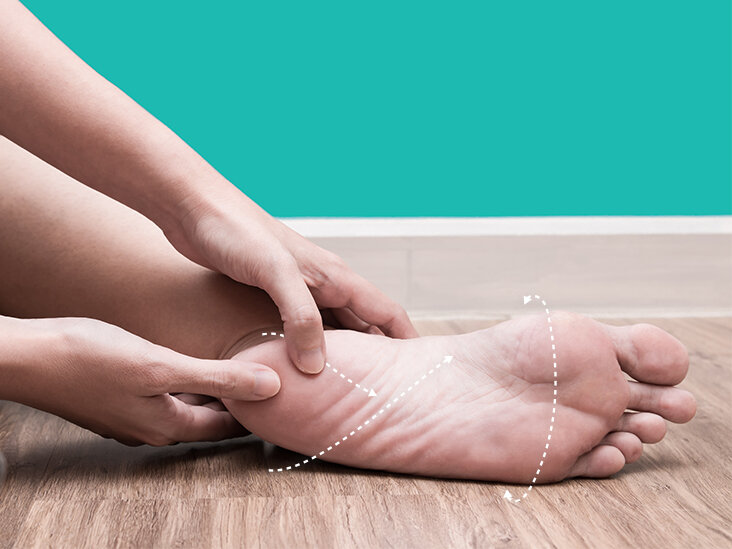
Everything You Need to Know About Plantar Fasciitis
Plantar fasciitis is defined as inflammation of the thick band of tissue that runs across the bottom of the foot and connects the heel bone to the toes…
What is Plantar Fasciitis?
Plantar fasciitis is defined as inflammation of the thick band of tissue that runs across the bottom of the foot and connects the heel bone to the toes. The most common symptoms of this condition include stabbing or dull pain near the heel, as well as a burning sensation on the bottom of the foot extending outward from the heel. Some people report feeling as if they have a stone in their heel, while others report feeling as if they’ve stepped on a tack or are walking on broken glass. Pain from plantar fasciitis develops slowly and increases gradually over time. Pain is also often worse in the morning, as when you are sleeping the toes of your foot tend to drop allowing tension in the posterior leg compartment to increase.
Who is At-Risk?
Active men and women between the ages of 40 and 70 are at the highest risk for developing plantar fasciitis. It is slightly more common in women than men, and it is not uncommon for women who are pregnant to experience bouts of plantar fasciitis, particularly during late pregnancy. A person is also at greater risk for developing plantar fasciitis if they are overweight or obese due to the increased pressure on the plantar fascia ligaments. Runners may also be more likely to develop plantar fascia problems, as well as those who have a very active job that involves being on their feet often. While structural foot problems, such as very high arches or very flat feet, may cause you to develop plantar fasciitis, tight Achilles tendons (the tendons attach your calf muscles to your heels) caused by tight muscles in the calf is one of the most common causes of plantar fasciitis.
What Can You Do to Correct Plantar Fasciitis?
Wearing a splint at night specifically made for plantar fasciitis not only eliminates the pain in the morning, but over time helps to cure the plantar fasciitis. Night splints are a type of brace that holds your foot in a flexed position and lengthens the plantar fascia and Achilles tendon overnight. This can prevent morning pain and stiffness. These splints can be purchased through Amazon relatively inexpensively.
Special orthotics might also be ordered by your podiatrist if you have structural issues such as fallen or high arches. Dr. John Senatore of Union Memorial Hospital in Baltimore, Maryland recommends high quality footwear with good arch support. Three of the brands he specifically suggests are Dansko, ABEO and Naot. No bare feet when actively suffering from plantar fasciitis is recommended. Senatore says that shoes with good arch support must be worn at all times (even when going to the bathroom at night) until the issue is corrected.
Daily stretching of the gastrocs and soleus muscles of the posterior lower leg also helps to relieve tension contributing to the plantar inflammation. There are several stretches that are recommended.
1. The wall stretch
Facing the wall, place your hands on the wall and the affected foot a long step behind. Keeping your feet flat on the floor, lean forward until you feel a stretch in the back of the leg. Placing a flat object such as a book or piece of wood under the toe of the affected foot dramatically increases this stretch.
2. The step stretch
While standing on a step, place the toes of the affected foot on the edge of the step. Keeping the weight on the good leg, gradually drop the heel of the leg you are attempting to stretch. It is important not to put your weight on the foot that you are stretching, as instead of stretching you would be strengthening and tightening that muscle group.
3. Active isolated stretches
AIS stretching is performed utilizing either a yoga strap, a towel or a belt. Wrap the strap around the foot you are stretching. Actively move the front of the foot toward your head. As you reach the end of the upward movement, use the strap to gently stretch the back leg muscles a bit more. Repeat seven times. Bringing the outside edge of your foot upward again, use the strap to pull the foot upward a bit more. Turning the foot to the inside (bottom of your foot facing the opposite leg), repeat the stretches. The anterior (front) leg muscles may be sore for a few days as you begin these stretches, as those muscles may not be used to working.
Massage therapy is also extremely effective in treating plantar fasciitis. By gently stripping the tight muscles and performing passive as well assisting you in active stretches, this condition can often be resolved relatively quickly. But always remember, this is a joint effort. It is your responsibility to obtain the correct footwear (I know, it is summer and those flip-flops are so enticing) and to do your stretches at home. The longer the condition exists, the longer it will take to correct.
Other treatments include physical therapy, shoe inserts, cortisone injections and surgery. Cortisone shots are highly discouraged by Dr. Santore, as they may actually cause the retinaculum in the foot to tear, further exacerbating the problem. However, it is always recommended to consult your individual doctor so you can make an informed decision.
The Next Step
Do you want help relieving your plantar fasciitis pain? Give us a call at 410-549-7711 or book your appointment online at https://therakneads.com/appointments-services-massage. One of our skilled and knowledgeable massage therapists would be happy to assess your individual concerns and set you up on the treatment plan that works best for you.

Stretching and Massage Help You Recover Faster from Workouts
If you’re someone who regularly pushes your body to the limit during workouts—treat yourself to Kristin’s two-hour signature service: The Athlete’s Stretch and Soothe.
Are stretching and massage part of your routine as an athlete? If not, they should be. For one, muscles that are never stretched can shorten and become tight, limiting their ability to fully extend and, in turn, becoming weak.
Stretching can also help increase your range of motion and help maintain healthy joint health. Tight, in-flexible muscles can pull on joints, causing skeletal misalignment, as well as increasing your risk of rupture, strains and sprains.
Not only is stretching a key component to add to your pre- and post-workout routine, it’s also a great activity for total-body relaxation. Stretching can help reduce blood pressure, heart rate and breathing rate, counteracting they body’s physiological responses to stress and muscular tension.
But what about massage? Massage has been shown to decrease and prevent delayed onset muscle soreness (DOMS) by helping remove muscular waste such as lactic acid. Massage also brings fresh blood and nutrients to affected muscle tissue, helping to repair micro tears caused from an intense workout.
The scientific evidence is clear: Post-work out stretching and massage helps you get back to training sooner—and with more flexibility and less muscle soreness.
That is why we now offering a new, two-hour signature service with Massage Therapist Kristin Farrow: The Athlete’s Stretch and Soothe. The first hour of the session is spent on a floor mat, with Kristin providing assisted stretching meant to warm muscle tissue and release fascial restrictions. The second hour is spent on the massage table, allowing you to fully relax as you receive a soothing massage, which creates blood flow and faster recovery for sore muscles.
Book online here: https://therakneads.com/book-the-athletes-stretch-and-soothe or give us a call if you have any questions. And remember, athletes—training doesn’t end at the gym. Proper recovery is vital!

Why Your Nervous System is Stuck on High-Alert and How We Can Help
In our modern world—filled with lots of screen-time, job stressors, rushing around, never-ending to-do lists and emotional traumas—our nervous systems are stuck on high alert. Recalibrate your nervous system during our Nervous System Reset.
When our ancient ancestors came across a menacing tiger in the woods, their “fight or flight” response activated—preparing their body to either fight the tiger off or take flight (run away). This biological response occurs due to the central nervous system, which is composed of two parts: the sympathetic and the parasympathetic systems.
The sympathetic nervous system causes an increase in heart rate, blood pressure, and breathing rate. This state of alert prepares your body for a perceived threat. Once the threat is over, that is when the parasympathetic nervous system is supposed to kick in. This is known as the “rest and digest” state, and this state allows for your body functions to return to normal.
In the modern-day, most of us don’t come across the threat of a tiger, but we do have stressful jobs and never-ending to-do lists, along with financial, family, and relationship stresses. As far as our bodies are concerned, this means that a threat is always close by—causing our sympathetic nervous systems to remain constantly on high-alert.
Symptoms of an Imbalanced Nervous System
This chronic state of stress causes your nervous system (along with your immune and endocrine systems) to experience imbalances, which can be detrimental to your health and overall well-being. These imbalances can be noticed as:
- overwhelm
- anxiety
- fatigue
- digestive disturbances
- insomnia
- immune issues
- chronic pain
- fatigue
- fertility, pregnancy or postpartum-related issues
These all-too-common symptoms, along with our passion for guiding clients toward healing, is why we designed The Nervous System Reset. This service is designed specifically and thoughtfully to nourish your parasympathetic nervous system and restore homeostasis to your mind and body.
What The Science Says
While all components of the Nervous System Reset have been chosen to allow for optimal nervous system recalibration—here’s what the experts have to say about sound bowl therapy, reiki, craniosacral therapy and binaural beats therapy:
Reiki
“The profound relaxation produced by Reiki has been anecdotally reported to alleviate anxiety and stress, the perception of pain, and to promote a feeling of psychospiritual well-being. [Reiki] is a relaxing form of healing therapy that is applied through non-invasive nonmanipulative gentle touch…Reiki’s ability to activate the parasympathetic nervous system helps reduce pain, anxiety and depression, [and] improves self-esteem and quality of life.
Craniosacral Therapy
“A noninvasive, mindfulness-based treatment approach using gentle manual palpation techniques to release fascial restrictions between the cranium and sacrum….It is influenced by and linked to the musculoskeletal system, and presumably the vascular and endocrine system as well as the parasympathetic nervous system.” Craniosacral Therapy has been found to be “both specifically effective and safe in reducing neck pain intensity and may improve functional disability and quality of life.”
Sound Bowl Therapy
Research has found that participants experienced “significantly less tension, anger, fatigue, and depressed moods following a session. Feelings of spiritual well-being improved significantly.” Sound bowls are also found to “decrease blood pressure and heart rate.”
Binaural Beats
When sounds with different hertz frequencies are introduced to each ear, it propels “the brainwaves into states of deep relaxation.”
Additional Benefits
Additional benefits of the Nervous System Reset may include:
- strengthened immunity
- more balanced hormones
- improved digestion and sleep quality
- decrease in pain and inflammation
- improved focus and productivity
- improved fertility, pregnancy and postpartum transition
Book your appointment today at TheraKneads to experience, firsthand, the amazing benefits of the Nervous System Reset.
Sources:
Goldsby, T., Goldsby, M., Mills, P.(2017). Effects of singing bowl sound meditation on mood, tension, and well-being: An observational study. Journal of Evidence-Based Complementary Medicine,22(3), 401-406. Doi: 10.1177/2156587216668109. Retrieved from: ncbi.nlm.nih.gov
Haller, H.M., Lauche, R., Dobos, G(2016). Craniosacral therapy for the treatment of chronic pain. The Clinical Journal of Pain. Wolters Kluwer Health, 32(5), 441-449. Doi: 10.1097/AJP.0000000000000290
McManus, D.E.(2017). Reiki is better than placebo and has broad potential as a complementary health therapy. Journal of Evidence-Based Complementary Alternative Medicine, 22(4), 1051-1057. Doi:10.1177/2156587217728644. Retrieved from https://ncbi.nlm.nih.gov

The Link Between Gut Health, Overall Health and Fertility
For women thinking about conceiving or experiencing fertility challenges, it is important to know that a baby’s gut biome begins developing even before they are born.
Your gut is full of trillion of bacteria, viruses and fungi. Collectively, these microorganisms are known as the microbiome. The microbiome is responsible for a multitude of functions within the body, including breaking down food, metabolizing nutrients, serving as a protective barrier against infection and producing vitamin K.
When you have more bad than good bacteria in your gut—your whole body suffers. These imbalances impact both mental and physical health, and can show up as mood swings, depression, anxiety, stomach aches, headaches, fatigue, lack of motivation or interest, recurring illnesses, digestive challenges, fertility challenges, irregular menses, painful menses, endometriosis, polycystic ovarian disease, autoimmune issues and much more.
Detoxifying and restoring balance to the gut is essential to a person’s overall mental, physical, and hormonal health. For women thinking about conceiving or experiencing fertility challenges, it is important to know that a baby’s gut biome begins developing even before they are born. And it can be impacted by how the baby’s mother cared for herself prior to and during her pregnancy, genetic predispositions, the health of the mother’s own gut biome, and the impact of environmental stressors during the mother’s pregnancy.
At TheraKneads Wellness Center, we provide transformational health coaching to support and enhance women’s nutritional, lifestyle and fertility journeys. Digestive Massage is often a treatment performed in conjunction with health coaching sessions to further support the rebalancing of gut biome and optimization of overall health.
Once the nutritional, mental, emotional and environmental stressors creating these imbalances in the body are addressed with customized health coaching and wellness treatments—health and vitality can be restored. This new foundation sets the precedent for a meaningful and fulfilling life in which you are thriving, not just surviving.
To find out more about how health coaching or digestive massage can lead to an increase of overall health or fertility, call 410-549-7711 or book online at therakneads.com to set up a free 30-minute consultation to determine how we can help support you.

Five Reasons to Get a Massage this Holiday Season
In case you need another reason to give the gift of massage…
The holidays are here and this time of year is all about giving, making other people’s holiday wishes come true, and selflessness. But what about you? What have you done for yourself lately? Certainly it wouldn’t hurt to treat yourself while you are out taking care of everyone else. These are the top 5 reasons to get yourself a massage this holiday season.
Stress: This is the most stressful time of year for the average person. Your shopping list is two miles long, your in-laws are in town, and you’re out of time! Take 60 min. and let someone else release your stress-fighting hormones while you forget about your to-do list.
It’s cold: When the temperature drops, muscles get tight. It happens every year. The warm loose muscles of the summer months are long gone and achy backs/hips/knees have arrived. Let a massage therapist warm up those muscles and joints and help relieve your pain.
You’re doing too much: You haven’t stopped moving, you’re carrying heavy bags, putting up lights, carrying boxes out of the crawl space, cleaning your house, etc. Your body isn’t used to standing while baking cookies for 10 hours, or spending a day on a ladder putting up your lights. You’re bound to get some kinks along the way. Massage therapy can help you recover faster.
Shoveling snow: Even the most fit of you out there are likely to get sore from shoveling (even if it hasn’t hit yet- it will). Practice the best body mechanics you can, and let a massage therapist take care of the rest.
It’s not a luxury anymore: If I have said it once, I’ve said it a thousand times- Massage is no longer considered a luxury, but rather an effective treatment for many medical conditions. Help prevent further injury and dysfunction by having a professional clinical massage therapist work on you today.
Hopefully this helps you realize that you need to take care of yourself too this holiday season. Besides, if you don’t stay healthy, who is going to make sure you have the perfect Griswold family holiday season?!
by Athletico

Fall Into Wellness
As leaves fall don’t let your health fall too! Relax, unwind and have peace of mind this upcoming season! Let us assist you in your wellness journey!
Summer days full of sweltering heat, humidity, and sun on your skin are falling behind us, as crisp Autumn mornings turn into cloudy, chilly days. While Fall is full of magical, memory-filled moments such as pumpkin picking, cozy sweaters, and warm spiced drinks, Fall also brings some struggles when it comes to wellness and self-care. Here at Therapeutic Kneads Wellness Center, we pride ourselves in being a beacon of knowledge, as well as an outlet for all your wellness needs. Our staff is educated and trained to provide a purposeful wellness schedule for all seasons! So, as Summer winds down and Fall arrives, let our bodies do the same.
Summer is full of many activities that are taxing on your body; sports, swimming, gardening, and running around at the beach. While you may feel these fun filled days are behind you, your body has not forgotten. Muscle growth, aches, and strains can all be aided and resolved with a massage. Our therapists are well trained to work through each problem area to ensure relief going into the upcoming months so you have full mobility to enjoy any Fall activity.
Another not so fun aspect to the season change is cold and flu season and the, ever so loathed, allergies! Don’t fret! With a wellness road map to navigate this not so fun sickness season, we can assure with the correct nutrition, routine, and massage sessions you can lessen or even avoid sickness all around! Sounds like magic or too good to be true, right? Here at Therapeutic Kneads we take health very seriously. We have wonderful tools for your use such as; wellness coaching, acupuncture, and massage techniques to ensure you feel your best these upcoming months. Relaxation is one of the keys to guarantee your immune system is functioning at its highest level. With a few moments to yourself this personalized plan can work wonders for you!
As stated, Massage is a relaxing tool for the mind, body, and soul. Fall brings many exciting events especially the long-anticipated holiday season. Holidays bring so much joy, but between the family dinners, shopping sprees, and everything in between you may find your body tense and unable to fully relax. Scheduling a regular massage throughout the Fall months is a must for your physical and mental clarity. Make this season a special one full of memories and joy, and that starts with you feeling your absolute best!
So, as leaves fall don’t let your health fall too! Relax, unwind and have peace of mind this upcoming season! Let us assist you in your wellness journey!
Author: Hannah Scarborough Assistant Director --