


Massage May Be the Missing Key to Your Fitness Gains
What if we told you the thing that may be stopping you from achieving your optimal “gains” could be something as simple as a monthly massage?
“A massage? Come on, man. I don’t need a girly spa experience; I’ll tough it out.”…..If we had a dollar for every time, we heard that sentence or something similar from an athlete or anyone who works out on the regular, we’d be rich!
If there is one common denominator for people who work out, it’s that they will do almost anything to see faster progress in their workouts, and even more so for their body’s aesthetic.
They have no problem spending hundreds of dollars at their local vitamin shop for supplements, pre-workouts, protein powders, and the like—so why pause at the suggestion of massage therapy?
What if we told you the thing that may be stopping you from achieving your optimal “gains” could be something as simple as a monthly massage?
Mark Allen, the six-time winner of the Hawaiian Ironman Triathlon, believes that massage was an indispensable part of his training. Just as athletes need hard work to excel, they also need a massage to quicken recovery between workouts, prevent injuries, and reduce stress.
NBA stars and legends such as Grant Hill, Steve Nash, and Kobe Bryant, have all used sports massage as a means to stay healthy on and off the court. World Series champs, the 2005 Chicago White Sox, relied heavily on the team’s massage therapist to experience peak performance.
Most NFL teams also have a massage therapist on staff. And according to Forbes, James Harrison, the famed Pittsburgh Steelers linebacker, spends around half a million dollars per year on bodywork, which includes massage therapy.
So, how exactly does massage affect recovery and performance?
1. Massage speeds up your recovery time
Massage increases blood flow to the whole body. When blood flow circulates well, your muscles and tissues receive much-needed oxygen and nutrients. Adding a post-workout massage helps restore your range of motion, and helps you perform exercises more efficiently. This increased range of motion can improve your speed and strength during workouts.
2. Massage decreases muscle soreness (or DOMS)
The increase of muscle enzymes in the blood after exercise causes damage to the muscle fibers and cell membrane. This damage is responsible for localized pain, tenderness and swelling associated with DOMS. Prevent post-workout pain, tight muscles and trigger points by enjoying a massage after your workout.
3. Massage increases lymph flow and helps remove toxins
Lactic acid accumulates when we exercise and contributes to post-workout muscle soreness. A massage after working out helps break up and remove lactic acid from muscles, as well as promote lymph movement.
4. Massage improves flexibility
Muscles may feel tight and constricted after intense workouts. Post-workout massage helps release the tightness and improves flexibility. Muscle recovery means it will be easier to do everyday things that require your body to be flexible. Runners who focus their post-workout massage on their hamstrings find they gain endurance and speed when running.
With years of study and hands-on experience with athletes of all ages and levels of fitness, you will be sure to find the perfect massage therapist and customized treatment plan at TheraKneads Wellness Center.
From sports massage, deep tissue massage, assisted stretch sessions and foam rolling demo—we have something beneficial for all kinds of athletes.
Give us a call, check out our offerings or book online here: https://therakneads.com/massage-eldersburg-sykesville-maryland.

Foam Rolling Is the Answer You’ve Been Looking For
Have you ever gotten a massage and felt loose and limber for a few days, but then that familiar tightness and pain ultimately begins to creep back in?
Have you ever gotten a massage and felt loose and limber for a few days, but then that familiar tightness and pain ultimately begins to creep back in? Or maybe each time you get your monthly massage, you feel like you’re making little to no progress from the last session and always starting back at square one. As the months (and your money) pass by, it becomes a frustrating cycle that makes you feel defeated, and like you’re incapable of healing or fixing a problem in your body.
If this sounds like you, know that you are definitely not alone. And regardless of what other massage therapists have told you in the past, we’re here to tell you the truth: a monthly massage on its own is simply not enough to create real, lasting change in your body.
Massage On Its Own Is Not Enough
Don’t get us wrong, therapeutic massage is an incredible therapy with a multitude of benefits (like reduced muscle tension, reduced stress & anxiety, increased joint mobility and so much more)—but if you don’t also put in the work at home, you’re simply not going to see the best possible results.
So, what do we mean by “put in the work at home?” Besides adequate hydration, regular exercise, stretching and finding ways to de-stress, one of the most often overlooked (yet so important!) tools you should be incorporating into your selfcare routine is foam rolling (aka self-myofascial release).
Before we get into what foam rolling is, its numerous benefits and how to do it—let’s talk fascia.
What Is Fascia?
Fascia is connective tissue that weaves around and interpenetrates every single muscle, nerve, blood vessel, organ and bone in the body. It is one continuous structure, somewhat similar to a spider’s web or a sweater. Similarly to when you pull a single thread of a sweater and it begins to bunch up, a restriction in one area of a person’s fascia can create issues in other areas of the body.
Fascia is supposed to be smooth, slippery and it should stretch easily when you move. However, chronic dehydration, a sedentary lifestyle, repetitive movements, physical or emotional trauma, scaring or inflammation can cause fascia to become “sticky” and lose its pliability. Long term fascial restrictions can cause sensitive trigger points to form within muscles, and can even cause muscles to contort and change shape over time.
Self-myofascial Release
To prevent the pain and complications that can come from restricted fascia, self-myofascial release is a form of self-assisted massage that can be a true game-changer when it comes to releasing muscle tension, improving range of motion, correcting posture and increasing neuromuscular efficiency overall.
Self-myofascial release can be done with a foam roller, lacrosse ball, handheld rollers or other assistive devices. Foam rollers can vary in density, surface structure, and some even have vibration or temperature modifications, depending on your goals and preferences.
The main premise behind self-myofascial release, or foam rolling, is that the sustained pressure of your body on the device triggers overactive muscle fibers to release, unknot and realign.
The National Academy of Sports Medicine explains it this way: “Golgi tendon organs, located in the musculotendinous junctions, are stimulated by a change and rate of tension, and when they are stimulated will cause the muscle to relax. When a change in tension is sustained at an adequate intensity and duration, muscle spindle activity is inhibited, causing a decrease in trigger point activity, accompanied by a reduction of pain.”
It's clear that science supports self-myofascial release as an invaluable selfcare tool that can help reduce muscle tension and, in turn, pain—but one thing we’ve noticed, is that when we tell clients to incorporate foam rolling at home, they’re often unsure of exactly how to do it, for how long, how often, and on what body parts.
Learn How To Foam Roll at TheraKneads
This is where our new service, the Foam Rolling Demo, comes in. Join Kayla C., Licensed Massage Therapist & Certified Personal Trainer, as she teaches you how to perform self-myofascial release with a foam roller. Whether you’re looking for foam rolling techniques for certain ailments or you want to learn a full body routine, Kayla has got you covered. You also have the option to add on a customized, therapeutic massage for either 30 or 60 minutes. We will provide all the necessary equipment, so just bring yourself and wear some clothes you can move in.
Gone will be the days where you’re feeling defeated and not making progress toward your goals. Instead, you’ll gain imperative knowledge and become empowered to take your healing into your own hands.
Book your Foam Rolling Demo with Kayla C. here or give us a call at 410-549-7711 if you have any questions.
*Please keep in mind that Kayla C. has a tendency to book up fast—so we recommend setting up any appointments with her well in advance. If you already have a regular massage booked with Kayla C. and would like to change your appointment to also contain the foam rolling demo—just let the front desk know at least one day prior to your appointment and we can happily accommodate.

The New Bodywork Service That's Sure To Give You Goosebumps
If you’re someone who loves watching ASMR videos or you’d like to receive an incredibly relaxing, gentle bodywork service with lots of tingles and goosebumps—our in-person ASMR experiences are for you!
Have you ever experienced that tingly, euphoric feeling while someone plays with your hair or gently traces their fingertips along your back?
If so, then you’ve likely experienced Autonomous Sensory Meridian Response or ASMR.
ASMR has become increasingly popular all around the world and especially on the video sharing platform YouTube. This is likely due to its ability to reduce stress, increase relaxation, and help those who have difficulties falling asleep.
Some individuals with clinical diagnoses even report that ASMR is helpful to their insomnia, anxiety, panic disorders and/or depression, according to on-going studies and research published in the Multisensory Research journal in 2017 by Dr. Janik McErlean in the UK.
So, what is ASMR anyway?
ASMR sensations are both physical and psychological. This includes light and soothing tingles, an enjoyable static-like feeling on the skin, or waves of relaxation that generally originate in the head, neck and spine—sometimes traveling throughout the rest of the body. This euphoric tingling sensation is usually accompanied by feelings of relaxation, calmness, comfort and sleepiness.
ASMR “triggers” that produce this tingling response can be different for everyone, but they are often induced by light touch, along with certain visuals or sounds such as whispering or crackling.
If you’re someone who loves watching ASMR videos on Youtube, or you’d like to receive an incredibly relaxing, gentle bodywork service with lots of tingles and goosebumps—our in-person ASMR experiences offered exclusively at TheraKneads Wellness Center are for you!
Something important to keep in mind about ASMR: it can be very different from regular massage, as the aim is not to work out knots or increase mobility. ASMR is all about ultra-light touch that produces tingles and incredible relaxation like nothing else.
Choose from two ASMR experiences, specifically designed with the ultimate tingles and relaxation in mind:
The Cozy Fireplace ASMR Experience
Get cozy under a soft blanket as you bask in the glow of a crackling fireplace on a cool, autumn night. Drift off slowly as you receive relaxing tingles on your scalp, neck, chest, arms and legs.
The Midnight Thunderstorm ASMR Experience
Nestle in safe and warm as you are lulled to sleep by the sound of the trickling rain right outside your window. Lay back and relax as you receive relaxing tingles on your scalp, neck, chest, arms and legs.
Customize your experience by choosing additional tools you’d like to further your relaxation, including a scalp massager, fan brushes, a hair comb and more.
Try something new and incredibly relaxing! Book your ASMR experience today at www.therakneads.com/asmr-experience.com or give us a call at 410-549-7711. You'll be so glad you did!
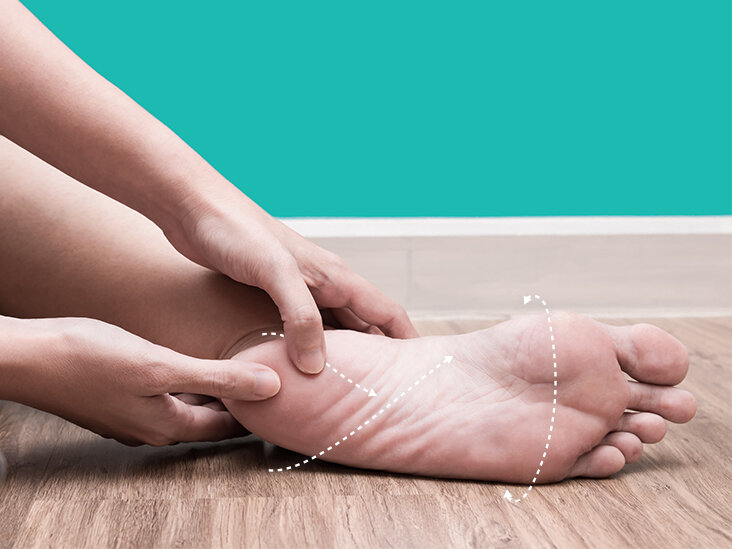
Everything You Need to Know About Plantar Fasciitis
Plantar fasciitis is defined as inflammation of the thick band of tissue that runs across the bottom of the foot and connects the heel bone to the toes…
What is Plantar Fasciitis?
Plantar fasciitis is defined as inflammation of the thick band of tissue that runs across the bottom of the foot and connects the heel bone to the toes. The most common symptoms of this condition include stabbing or dull pain near the heel, as well as a burning sensation on the bottom of the foot extending outward from the heel. Some people report feeling as if they have a stone in their heel, while others report feeling as if they’ve stepped on a tack or are walking on broken glass. Pain from plantar fasciitis develops slowly and increases gradually over time. Pain is also often worse in the morning, as when you are sleeping the toes of your foot tend to drop allowing tension in the posterior leg compartment to increase.
Who is At-Risk?
Active men and women between the ages of 40 and 70 are at the highest risk for developing plantar fasciitis. It is slightly more common in women than men, and it is not uncommon for women who are pregnant to experience bouts of plantar fasciitis, particularly during late pregnancy. A person is also at greater risk for developing plantar fasciitis if they are overweight or obese due to the increased pressure on the plantar fascia ligaments. Runners may also be more likely to develop plantar fascia problems, as well as those who have a very active job that involves being on their feet often. While structural foot problems, such as very high arches or very flat feet, may cause you to develop plantar fasciitis, tight Achilles tendons (the tendons attach your calf muscles to your heels) caused by tight muscles in the calf is one of the most common causes of plantar fasciitis.
What Can You Do to Correct Plantar Fasciitis?
Wearing a splint at night specifically made for plantar fasciitis not only eliminates the pain in the morning, but over time helps to cure the plantar fasciitis. Night splints are a type of brace that holds your foot in a flexed position and lengthens the plantar fascia and Achilles tendon overnight. This can prevent morning pain and stiffness. These splints can be purchased through Amazon relatively inexpensively.
Special orthotics might also be ordered by your podiatrist if you have structural issues such as fallen or high arches. Dr. John Senatore of Union Memorial Hospital in Baltimore, Maryland recommends high quality footwear with good arch support. Three of the brands he specifically suggests are Dansko, ABEO and Naot. No bare feet when actively suffering from plantar fasciitis is recommended. Senatore says that shoes with good arch support must be worn at all times (even when going to the bathroom at night) until the issue is corrected.
Daily stretching of the gastrocs and soleus muscles of the posterior lower leg also helps to relieve tension contributing to the plantar inflammation. There are several stretches that are recommended.
1. The wall stretch
Facing the wall, place your hands on the wall and the affected foot a long step behind. Keeping your feet flat on the floor, lean forward until you feel a stretch in the back of the leg. Placing a flat object such as a book or piece of wood under the toe of the affected foot dramatically increases this stretch.
2. The step stretch
While standing on a step, place the toes of the affected foot on the edge of the step. Keeping the weight on the good leg, gradually drop the heel of the leg you are attempting to stretch. It is important not to put your weight on the foot that you are stretching, as instead of stretching you would be strengthening and tightening that muscle group.
3. Active isolated stretches
AIS stretching is performed utilizing either a yoga strap, a towel or a belt. Wrap the strap around the foot you are stretching. Actively move the front of the foot toward your head. As you reach the end of the upward movement, use the strap to gently stretch the back leg muscles a bit more. Repeat seven times. Bringing the outside edge of your foot upward again, use the strap to pull the foot upward a bit more. Turning the foot to the inside (bottom of your foot facing the opposite leg), repeat the stretches. The anterior (front) leg muscles may be sore for a few days as you begin these stretches, as those muscles may not be used to working.
Massage therapy is also extremely effective in treating plantar fasciitis. By gently stripping the tight muscles and performing passive as well assisting you in active stretches, this condition can often be resolved relatively quickly. But always remember, this is a joint effort. It is your responsibility to obtain the correct footwear (I know, it is summer and those flip-flops are so enticing) and to do your stretches at home. The longer the condition exists, the longer it will take to correct.
Other treatments include physical therapy, shoe inserts, cortisone injections and surgery. Cortisone shots are highly discouraged by Dr. Santore, as they may actually cause the retinaculum in the foot to tear, further exacerbating the problem. However, it is always recommended to consult your individual doctor so you can make an informed decision.
The Next Step
Do you want help relieving your plantar fasciitis pain? Give us a call at 410-549-7711 or book your appointment online at https://therakneads.com/appointments-services-massage. One of our skilled and knowledgeable massage therapists would be happy to assess your individual concerns and set you up on the treatment plan that works best for you.

Stretching and Massage Help You Recover Faster from Workouts
If you’re someone who regularly pushes your body to the limit during workouts—treat yourself to Kristin’s two-hour signature service: The Athlete’s Stretch and Soothe.
Are stretching and massage part of your routine as an athlete? If not, they should be. For one, muscles that are never stretched can shorten and become tight, limiting their ability to fully extend and, in turn, becoming weak.
Stretching can also help increase your range of motion and help maintain healthy joint health. Tight, in-flexible muscles can pull on joints, causing skeletal misalignment, as well as increasing your risk of rupture, strains and sprains.
Not only is stretching a key component to add to your pre- and post-workout routine, it’s also a great activity for total-body relaxation. Stretching can help reduce blood pressure, heart rate and breathing rate, counteracting they body’s physiological responses to stress and muscular tension.
But what about massage? Massage has been shown to decrease and prevent delayed onset muscle soreness (DOMS) by helping remove muscular waste such as lactic acid. Massage also brings fresh blood and nutrients to affected muscle tissue, helping to repair micro tears caused from an intense workout.
The scientific evidence is clear: Post-work out stretching and massage helps you get back to training sooner—and with more flexibility and less muscle soreness.
That is why we now offering a new, two-hour signature service with Massage Therapist Kristin Farrow: The Athlete’s Stretch and Soothe. The first hour of the session is spent on a floor mat, with Kristin providing assisted stretching meant to warm muscle tissue and release fascial restrictions. The second hour is spent on the massage table, allowing you to fully relax as you receive a soothing massage, which creates blood flow and faster recovery for sore muscles.
Book online here: https://therakneads.com/book-the-athletes-stretch-and-soothe or give us a call if you have any questions. And remember, athletes—training doesn’t end at the gym. Proper recovery is vital!

Why Your Nervous System is Stuck on High-Alert and How We Can Help
In our modern world—filled with lots of screen-time, job stressors, rushing around, never-ending to-do lists and emotional traumas—our nervous systems are stuck on high alert. Recalibrate your nervous system during our Nervous System Reset.
When our ancient ancestors came across a menacing tiger in the woods, their “fight or flight” response activated—preparing their body to either fight the tiger off or take flight (run away). This biological response occurs due to the central nervous system, which is composed of two parts: the sympathetic and the parasympathetic systems.
The sympathetic nervous system causes an increase in heart rate, blood pressure, and breathing rate. This state of alert prepares your body for a perceived threat. Once the threat is over, that is when the parasympathetic nervous system is supposed to kick in. This is known as the “rest and digest” state, and this state allows for your body functions to return to normal.
In the modern-day, most of us don’t come across the threat of a tiger, but we do have stressful jobs and never-ending to-do lists, along with financial, family, and relationship stresses. As far as our bodies are concerned, this means that a threat is always close by—causing our sympathetic nervous systems to remain constantly on high-alert.
Symptoms of an Imbalanced Nervous System
This chronic state of stress causes your nervous system (along with your immune and endocrine systems) to experience imbalances, which can be detrimental to your health and overall well-being. These imbalances can be noticed as:
- overwhelm
- anxiety
- fatigue
- digestive disturbances
- insomnia
- immune issues
- chronic pain
- fatigue
- fertility, pregnancy or postpartum-related issues
These all-too-common symptoms, along with our passion for guiding clients toward healing, is why we designed The Nervous System Reset. This service is designed specifically and thoughtfully to nourish your parasympathetic nervous system and restore homeostasis to your mind and body.
What The Science Says
While all components of the Nervous System Reset have been chosen to allow for optimal nervous system recalibration—here’s what the experts have to say about sound bowl therapy, reiki, craniosacral therapy and binaural beats therapy:
Reiki
“The profound relaxation produced by Reiki has been anecdotally reported to alleviate anxiety and stress, the perception of pain, and to promote a feeling of psychospiritual well-being. [Reiki] is a relaxing form of healing therapy that is applied through non-invasive nonmanipulative gentle touch…Reiki’s ability to activate the parasympathetic nervous system helps reduce pain, anxiety and depression, [and] improves self-esteem and quality of life.
Craniosacral Therapy
“A noninvasive, mindfulness-based treatment approach using gentle manual palpation techniques to release fascial restrictions between the cranium and sacrum….It is influenced by and linked to the musculoskeletal system, and presumably the vascular and endocrine system as well as the parasympathetic nervous system.” Craniosacral Therapy has been found to be “both specifically effective and safe in reducing neck pain intensity and may improve functional disability and quality of life.”
Sound Bowl Therapy
Research has found that participants experienced “significantly less tension, anger, fatigue, and depressed moods following a session. Feelings of spiritual well-being improved significantly.” Sound bowls are also found to “decrease blood pressure and heart rate.”
Binaural Beats
When sounds with different hertz frequencies are introduced to each ear, it propels “the brainwaves into states of deep relaxation.”
Additional Benefits
Additional benefits of the Nervous System Reset may include:
- strengthened immunity
- more balanced hormones
- improved digestion and sleep quality
- decrease in pain and inflammation
- improved focus and productivity
- improved fertility, pregnancy and postpartum transition
Book your appointment today at TheraKneads to experience, firsthand, the amazing benefits of the Nervous System Reset.
Sources:
Goldsby, T., Goldsby, M., Mills, P.(2017). Effects of singing bowl sound meditation on mood, tension, and well-being: An observational study. Journal of Evidence-Based Complementary Medicine,22(3), 401-406. Doi: 10.1177/2156587216668109. Retrieved from: ncbi.nlm.nih.gov
Haller, H.M., Lauche, R., Dobos, G(2016). Craniosacral therapy for the treatment of chronic pain. The Clinical Journal of Pain. Wolters Kluwer Health, 32(5), 441-449. Doi: 10.1097/AJP.0000000000000290
McManus, D.E.(2017). Reiki is better than placebo and has broad potential as a complementary health therapy. Journal of Evidence-Based Complementary Alternative Medicine, 22(4), 1051-1057. Doi:10.1177/2156587217728644. Retrieved from https://ncbi.nlm.nih.gov

The Link Between Gut Health, Overall Health and Fertility
For women thinking about conceiving or experiencing fertility challenges, it is important to know that a baby’s gut biome begins developing even before they are born.
Your gut is full of trillion of bacteria, viruses and fungi. Collectively, these microorganisms are known as the microbiome. The microbiome is responsible for a multitude of functions within the body, including breaking down food, metabolizing nutrients, serving as a protective barrier against infection and producing vitamin K.
When you have more bad than good bacteria in your gut—your whole body suffers. These imbalances impact both mental and physical health, and can show up as mood swings, depression, anxiety, stomach aches, headaches, fatigue, lack of motivation or interest, recurring illnesses, digestive challenges, fertility challenges, irregular menses, painful menses, endometriosis, polycystic ovarian disease, autoimmune issues and much more.
Detoxifying and restoring balance to the gut is essential to a person’s overall mental, physical, and hormonal health. For women thinking about conceiving or experiencing fertility challenges, it is important to know that a baby’s gut biome begins developing even before they are born. And it can be impacted by how the baby’s mother cared for herself prior to and during her pregnancy, genetic predispositions, the health of the mother’s own gut biome, and the impact of environmental stressors during the mother’s pregnancy.
At TheraKneads Wellness Center, we provide transformational health coaching to support and enhance women’s nutritional, lifestyle and fertility journeys. Digestive Massage is often a treatment performed in conjunction with health coaching sessions to further support the rebalancing of gut biome and optimization of overall health.
Once the nutritional, mental, emotional and environmental stressors creating these imbalances in the body are addressed with customized health coaching and wellness treatments—health and vitality can be restored. This new foundation sets the precedent for a meaningful and fulfilling life in which you are thriving, not just surviving.
To find out more about how health coaching or digestive massage can lead to an increase of overall health or fertility, call 410-549-7711 or book online at therakneads.com to set up a free 30-minute consultation to determine how we can help support you.

Five Reasons to Get a Massage this Holiday Season
In case you need another reason to give the gift of massage…
The holidays are here and this time of year is all about giving, making other people’s holiday wishes come true, and selflessness. But what about you? What have you done for yourself lately? Certainly it wouldn’t hurt to treat yourself while you are out taking care of everyone else. These are the top 5 reasons to get yourself a massage this holiday season.
Stress: This is the most stressful time of year for the average person. Your shopping list is two miles long, your in-laws are in town, and you’re out of time! Take 60 min. and let someone else release your stress-fighting hormones while you forget about your to-do list.
It’s cold: When the temperature drops, muscles get tight. It happens every year. The warm loose muscles of the summer months are long gone and achy backs/hips/knees have arrived. Let a massage therapist warm up those muscles and joints and help relieve your pain.
You’re doing too much: You haven’t stopped moving, you’re carrying heavy bags, putting up lights, carrying boxes out of the crawl space, cleaning your house, etc. Your body isn’t used to standing while baking cookies for 10 hours, or spending a day on a ladder putting up your lights. You’re bound to get some kinks along the way. Massage therapy can help you recover faster.
Shoveling snow: Even the most fit of you out there are likely to get sore from shoveling (even if it hasn’t hit yet- it will). Practice the best body mechanics you can, and let a massage therapist take care of the rest.
It’s not a luxury anymore: If I have said it once, I’ve said it a thousand times- Massage is no longer considered a luxury, but rather an effective treatment for many medical conditions. Help prevent further injury and dysfunction by having a professional clinical massage therapist work on you today.
Hopefully this helps you realize that you need to take care of yourself too this holiday season. Besides, if you don’t stay healthy, who is going to make sure you have the perfect Griswold family holiday season?!
by Athletico

Fall Into Wellness
As leaves fall don’t let your health fall too! Relax, unwind and have peace of mind this upcoming season! Let us assist you in your wellness journey!
Summer days full of sweltering heat, humidity, and sun on your skin are falling behind us, as crisp Autumn mornings turn into cloudy, chilly days. While Fall is full of magical, memory-filled moments such as pumpkin picking, cozy sweaters, and warm spiced drinks, Fall also brings some struggles when it comes to wellness and self-care. Here at Therapeutic Kneads Wellness Center, we pride ourselves in being a beacon of knowledge, as well as an outlet for all your wellness needs. Our staff is educated and trained to provide a purposeful wellness schedule for all seasons! So, as Summer winds down and Fall arrives, let our bodies do the same.
Summer is full of many activities that are taxing on your body; sports, swimming, gardening, and running around at the beach. While you may feel these fun filled days are behind you, your body has not forgotten. Muscle growth, aches, and strains can all be aided and resolved with a massage. Our therapists are well trained to work through each problem area to ensure relief going into the upcoming months so you have full mobility to enjoy any Fall activity.
Another not so fun aspect to the season change is cold and flu season and the, ever so loathed, allergies! Don’t fret! With a wellness road map to navigate this not so fun sickness season, we can assure with the correct nutrition, routine, and massage sessions you can lessen or even avoid sickness all around! Sounds like magic or too good to be true, right? Here at Therapeutic Kneads we take health very seriously. We have wonderful tools for your use such as; wellness coaching, acupuncture, and massage techniques to ensure you feel your best these upcoming months. Relaxation is one of the keys to guarantee your immune system is functioning at its highest level. With a few moments to yourself this personalized plan can work wonders for you!
As stated, Massage is a relaxing tool for the mind, body, and soul. Fall brings many exciting events especially the long-anticipated holiday season. Holidays bring so much joy, but between the family dinners, shopping sprees, and everything in between you may find your body tense and unable to fully relax. Scheduling a regular massage throughout the Fall months is a must for your physical and mental clarity. Make this season a special one full of memories and joy, and that starts with you feeling your absolute best!
So, as leaves fall don’t let your health fall too! Relax, unwind and have peace of mind this upcoming season! Let us assist you in your wellness journey!
Author: Hannah Scarborough Assistant Director --

The Insider's Guide: What to Know Before, During, and After Your Massage
From etiquette and clothing tips to hygiene and massage myths, here’s a list of everything your massage therapist wants you to know.
It’s no secret massage therapy has a ton of health benefits, including improved range of motion, chronic pain relief, anxiety reduction, better blood and lymph circulation, and even better quality sleep—but are you sure you’re making the most of your massage sessions? From etiquette and clothing tips to hygiene and massage myths, here’s a list of everything your massage therapist wants you to know so you can receive the best massage ever.
1. Arrive 10 to 15 minutes early.
If you arrive exactly at your appointment time, you’re already late. Your appointment time is when your massage should be starting. Before your massage, you’ll need to fill out or update paperwork, discuss problem areas or health conditions, and possibly use the restroom. Give yourself a few extra minutes so you can arrive relaxed and unrushed.
2. Fill out your intake form completely and accurately.
Certain massage techniques could be dangerous under some circumstances. If you neglect to provide your complete health history or medication list, you are putting yourself at risk for injury. Other questions on the form may seem less serious, yet they provide your massage therapist with information that allows them to customize your massage to best fit your wants and needs.
3. Be clean.
Bathe as close to your appointment time as possible. The warmth of a shower or bath helps begin the process of relaxing your muscles and readying you mentally for your massage. It’s also true that massaging skin with bacteria is unhygienic (and potentially harmful) for both yourself and the massage therapist working on you.
4. Hydrate.
Your massage therapist can tell when you’re dehydrated, as your muscles and fascia are much less pliable and receptive to treatment. Get the most out of your bodywork sessions by drinking lots of water for a couple days leading up to your appointment. And don’t forget to hydrate after your session.
5. Have a general idea of what you want before arriving.
Do you want a full body massage? Or are you okay with some areas being skipped to prioritize time for focus areas? Is there anywhere you want avoided? Your massage therapist should ask questions before the massage begins, but it’s best to communicate anything that doesn’t come up so you leave happy with the experience. And don’t forget to let the receptionist know what you’re looking for while making your appointment. That way you can be matched with the therapist most suitable to your preferences.
6. It’s not possible to get a full body, deep tissue massage in 60 minutes.
True deep tissue involves working through surface muscles into deeper layers. This takes time and less pressure than you might think. Your therapist can give you a full body deep pressure massage in 60 minutes, but that’s not the same as deep tissue. Many spas and wellness centers enforce this misconception by upcharging for deep tissue massages. At Therapeutic Kneads, we offer Swedish, deep tissue, myofascial, sports massage, or a combination of several different modalities for the exact same price. Talk to your therapist if you’re unsure what kind of massage you want or if you need clarification.
7. Give feedback.
Massages DO NOT need to be painful in order to be effective. In fact, no matter how much you think you can take it, your muscles will start tensing and rejecting the treatment if you’re feeling too much pain. On the flip side, if you feel like you’re being feathered and could use a little more pressure, speak up. If there’s a certain technique you really like (or one that you’re not a fan of), let your therapist know. Your therapist will do their best to accommodate all requests within reason, and they want to make you happy.
8. Breathe.
A good rule of thumb is to breathe like you’re meditating during the massage. It keeps the blood and muscles oxygenated and most receptive to the bodywork. It’s especially important to breathe deeply while tender areas are being worked on.
9. Skip the post-massage workout.
It may not seem like it while in a state of relaxed bliss, but a massage in itself is a workout—especially if you receive deeper work. Your muscles need time to recover, so save your workout for the following day.
10. Do your best to keep your body relaxed, and let your therapist move you.
If you are engaging the muscles your massage therapist is trying to relax, the treatment may not be as effective. And let’s be real, nothing is more awkward than trying to massage an arm that is sticking straight up in the air. Let your therapist move your neck, arms, and legs (unless they tell you otherwise).
11. Eat before your massage, but keep it light.
You don’t want to be so hungry during your massage that you can’t relax, but you also don’t want to eat such a large meal that it feels uncomfortable to lay on your stomach.
12. If you get too hot (or too cold), let your massage therapist know.
If you start feeling heated, there’s a good chance you’ll start sweating. Sweat mixed with skin lubricant makes for an overly slippery surface—one that is not ideal for properly gripping muscles.
13. Remove all clothing, including underwear.
The lack of fabric allows your massage therapist to better work your lower back and legs. If you’d prefer to leave them on, however, that’s perfectly fine. Your therapist can still do their job regardless. Just as an added FYI, your private areas will be covered at all times, even if you do decide to ditch the underwear.
14. Remove jewelry and put your hair up.
If your massage therapist is continuously sweeping your hair out of the way or gingerly working around jewelry, time is being wasted which could be spent relaxing you or working on problem areas.
15. You don’t need to shave your legs (or your back).
It doesn’t change your massage, and your massage therapist doesn’t mind either way. If it makes you feel better though, go for it—but preferably the day before your appointment so there are no fresh nicks on the skin.
16. Do your part outside the treatment room.
This one is key. Keep active, stretch on your own at home, and manage stress as best you can. Massage therapy treatments are so much more effective when they’re a team effort. Another note, one massage a year or just on special occasions can certainly be helpful and relaxing, but if you don’t stay consistent with regular bodywork, you won’t have lasting results. Ask the receptionist about packages so you can get the most bang for your buck.
That’s it! That’s everything your massage therapist wants you to know so you can get the most out of your massage sessions. Call TheraKneads at 410-549-7711 with any questions or concerns or book your appointment online.
About the author: Kayla Crocker is a licensed massage therapist & certified personal trainer at TheraKneads Wellness Center in Eldersburg, Maryland. She loves helping her clients manage chronic pain, alleviate stress, and identify postural imbalances. In her free time, Kayla enjoys hiking, cooking, and practicing yoga.

Postpartum Motherhood
Postpartum Support for Mothers
Michele Pedersen, LMT
When I became pregnant, I had no idea that I would be stripped bare to my core. This journey is not for the faint of heart. This journey will connect you with what you are really made of. You may be surprised at the strength, courage, resilience, fortitude, and love you carry!
I have been on a deep, spiritual journey, since I was in my late teens. I have been down a hard road and taken many risks. I was fearless growing up and thought I knew my strength. Nothing rocked my world or shook my foundation more than becoming a mother. This became my spiritual practice. Having to face all of my shadows, while annihilating into the love that overtook me. I would do anything for this being. There was nothing left of me after she was born, but pure love, vulnerability, and a fatigue I didn't know existed.
Support? What Support? I had little to no support following the birth of my daughter, yet I had to be her entire support; her life and well-being depended on it. I wouldn't wish that on any mother. I discovered myself in a whole new place, in this new role. It asked EVERYTHING of me and then some, 24/7. I was a single mother, living 2500 miles from family and friends. It was my baby and me and I had to figure it out and I did, somehow.
This experience would be unheard of in many other cultures where The new mother takes priority, as her health and wellbeing are necessary to care for her family and community. She is cared for through pregnancy and postpartum, fed warming nourishing meals, teas, given massages, and support following the birth of her child.
This did not happen in my experiences (times 3). I had no idea how important it would be to my health, wellbeing, and healing going forward to create a postpartum support network for myself. The experiences that stood out most were the angels along the way that showed up randomly and offered support here and there. My midwife who carried so much wisdom shared inspiring birth stories with me. She made sure when my daughter was coming out with her head and shoulder she kept me from tearing. My chiropractor that acted as my doula, supported me during the last few weeks of my pregnancy, during birth, and following birth. She treated my daughter, as well during the first 2 years of her life. She brought me crampbark tea and nettle tea to help with my postpartum healing. She was a networker in the community and held gatherings in her office and home that she made me feel apart of. One of my roommates made me a meal or 2, I don't recall; otherwise I would have gone hungry, while saturated in baby bliss. I was completely unprepared for my postpartum time and what I would need. When my daughter couldn't latch and was screaming for hours, my dear friend who lived on the East coast called local hospitals and La Leche League to have someone assist me in breastfeeding because she knew how important this was for me. Once I received the right support, my daughter successfully latched and didn't let go!! Our loving actions have a ripple affect and we have no idea the depths these acts reach or the impact they make.
When I treat a mom, I am not only treating her, but her baby and whole family, because we are all connected. No act is too small, when we are coming from a place of loving kindness.
Michele Pedersen, LMT

Deep Tissue Finesse
“Rocks are actually squishy, they just tense up when we touch them”
-Source Unknown-
By: Colleen O’Renehan
Deep Tissue is a term which is often overused as well as misused in the world of massage. It is my goal here to clarify exactly what deep tissue techniques are and to explain how they are best used.
Clients often come to me requesting deep tissue work. In their minds deep tissue refers to using heavy pressure when doing a massage, almost all of them expect a heavy-handed full body Swedish massage. I have overheard massage instructors telling their students that in order to provide deep tissue massage, all they have to do is press harder. One student told me that she had been told to get a stool to stand on if necessary in order to provide more leverage. It is not about pressure, it is about finesse.
To understand the process of deep tissue massage, we must first understand the nature of fascia. Fascia is the thin sheath of fibrous tissue which encases all muscle fibers. It is tensile in nature which means it can be stretched without breaking. Fascia provides pathways for nerves and blood vessels. When fascia is tight, it restricts the blood flow and potentially nerves as well. Without proper lymph and blood flow, cellular waste (toxins) accumulate in the muscle creating pain. Fascia also provides protection for the muscles. When it experiences fast/deep penetrating pressure, it tightens to prevent or minimize injury to the muscle.
Fascia is thixotropic in nature; it can change states. It responds best to long, slow gentle tension. This gentle work warms the tissue and allows it to soften and relax. As the fascia begins to relax, the muscle that it encases is allowed to expand and elongate to assume it’s normal resting state. As fascia is designed to protect the muscles from deep penetrating pressure, fast or aggressive work on the fascia can actually cause it to tighten, producing more restrictions. One analogy I have used to assist in this visualization is cooking with cornstarch. Anyone who has placed cornstarch in a bowl, added water and begun to stir briskly can tell you it just doesn’t work. It creates a Non-Newtonian solution. The cornstarch molecules tighten into “concrete” when pressure is applied. Slow, gentle stirring however, quickly results in a homogenous suspension. Fascia responds in a similar fashion.
Who can benefit from deep tissue massage? Almost everyone. Muscles tighten for a number of reasons including dehydration, shortage of particular minerals (potassium, magnesium, calcium) and energy sources (ATP)*, overuse, and injury. When addressing tight muscles these issues must be taken into account.
Prolonged pathological hypertonus of muscles causes fascia to become tense. This in turn creates compression of muscle fibers, nerve tissue and blood vessels. This causes pain. We see this every day in a population addicted to computer and cellphone use. A healthy body with chronic tension resulting from overuse can benefit greatly from these techniques. Clients with Fibromyalgia respond phenomenally to properly applied deep tissue work. Deep tissue techniques can also be safely used with the proper training to treat muscle tension in prenatal clients. A dehydrated athlete low on electrolytes does NOT need deep tissue massage, in fact it can be very damaging to overtaxed, under nourished muscles.
So what is Deep Tissue Massage? Deep tissue massage is the gentle, systematic penetration of muscle tissue. It is not dissimilar to peeling away layers of an onion. Beginning with deep extended effleurage to warm and soften the fascia, the therapist will be able to feel the superficial layers of muscle “let go”. As the superficial layers relax, the therapist’s hands will be able to sink ever deeper, feeling the adhesions and muscle contractions which lie below. Gradual, unhurried work can result in eradication of these issues without causing pain or discomfort for the client after the session is terminated.
I hear you saying “So what about the elbows?” Elbows work great on trigger points. They can be gently used to sculpt muscles after they have been properly prepared for the deeper work, but digging in with elbows and thumbs before properly preparing the muscles is damaging and is very likely to cause pain for the client after the session. Trading one pain for another is hardly productive.
My point here, is that many therapists are working way too hard to accomplish something that is really quite easily done if done properly. In talking to clients who have come to me with a “deep tissue” request, when questioned the majority of them are there to feel better. They are requesting “deep tissue” work because they are under the impression that an elbow is the only thing that is going to fix their issues.
What I really want impart to you today is that just because the only tool you have is a hammer doesn't mean everything has to be seen as a nail. If the only thing you know how to use is your elbow, find classes in neuromuscular, orthopedic, myofascial or other modalities to expand your toolbox. You don't have to become in expert in these modalities in order to utilize them in your practice. Your clients will thank you for it.
By: Colleen O’Renehan, LMT
*ATP is a major energy source for muscular contraction
** Judy Delany, one of our Neuromuscular gurus, as labeled effleurage as the single most effective tool in the Neuromuscular toolbox!

Therapist Thursday, Pt. 3!
Read some more about Glynn Blackburn, RMP!
🤩Holy smokes it is already Thursday again!🤩
👏Let us take this this opportunity to give Glynn Blackburn, RMP a round of applause!!👏
Glynn has been with Therapeutic Kneads for over a year and we have enjoyed every minute with him practicing here.
Glynn's compassionate, understanding and outgoing nature bring calm and peacefulness to anyone on his table. He can put you at ease with a few words and make you feel brand new after his sessions! His knowledge of joint replacements, fibromyalgia, and stretching help his clients tremendously. We also get the question of who is your strongest therapist....THIS GUY right here!💪
💥In his spare time, Glynn enjoys being with his family, social events, and baseball!⚾️
You do not want to miss an opportunity to book a massage or stretch session with this awesome human being.😎
Give us a call or go online to book your next appointment and start feeling better asap

Therapist Thursday, Pt. 2!
Take a minute to celebrate Kayla today!
Another week has flown by and here we are at
🌼Therapist Thursday!🌼
🤩I would like to take a minute to show the spotlight on our very own Kayla Crocker, LMT!🤩
Kayla has been a part of our Therapeutic Kneads family for over a year and quickly made a name for herself in the local community for outstanding massage therapy.
🌸Kayla's passion for helping people feel their best spills into her personality everyday. She brings a vast knowledge of massage therapy and business professionalism with a huge dose of compassion into her massages. You will leave Kayla's table feeling cared for, physically amazing, and ready to continue your self-care routine forever.
🌺In Kayla's spare time, she attends college courses to continue her passion in writing, travels, and enjoys time with family and friends.
🗓Don't miss a chance to book a massage or stretch session with this amazing lady! 😍Show Kayla some love!💕

Therapist Thursday!
Therapist Thursday is all about meeting your local practitioners that take care of you!
Introducing
🌼🌼Therapist Thursdays🌼🌼
For our first edition, I would like to re-introduce you to the one and only Halee Asch,RMP!
Halee is been with Therapeutic Kneads for about a year and a half and brings an amazing presence into our space. Here are two recent google reviews:
"Went for my first massage... Wasn't really sure what to expect. I chose Halee from random and the whole experience was great!! It was comfortable and relaxing which is nice considering I'm a mom of 2 little ones."
"Excellent massage by Halee. Went on a mountain biking trip and legs were sore. Relaxing pain free massage and legs felt better!"
🌺In Halee's free time, she is a rock climbing🏔, strawberry picking🍓, secret artist🖊! You don't want to miss a chance to book an appointment with her. You will leave feeling rejuvenated and re-connected after her calming and integrated massages.
Don't forget to check your emails for a special for the rest of the week!
Stay Tuned for next Thursday!
