


Float Therapy for Deep Relaxation & Nervous System Reset
Experience weightless rest in a private float environment designed to calm the mind, relax the body, and support whole-body recovery.

How Float Therapy Supports Your Body & Mind
Float therapy is especially helpful for those experiencing burnout, chronic stress, or sensory overload.
What Is Float Therapy?
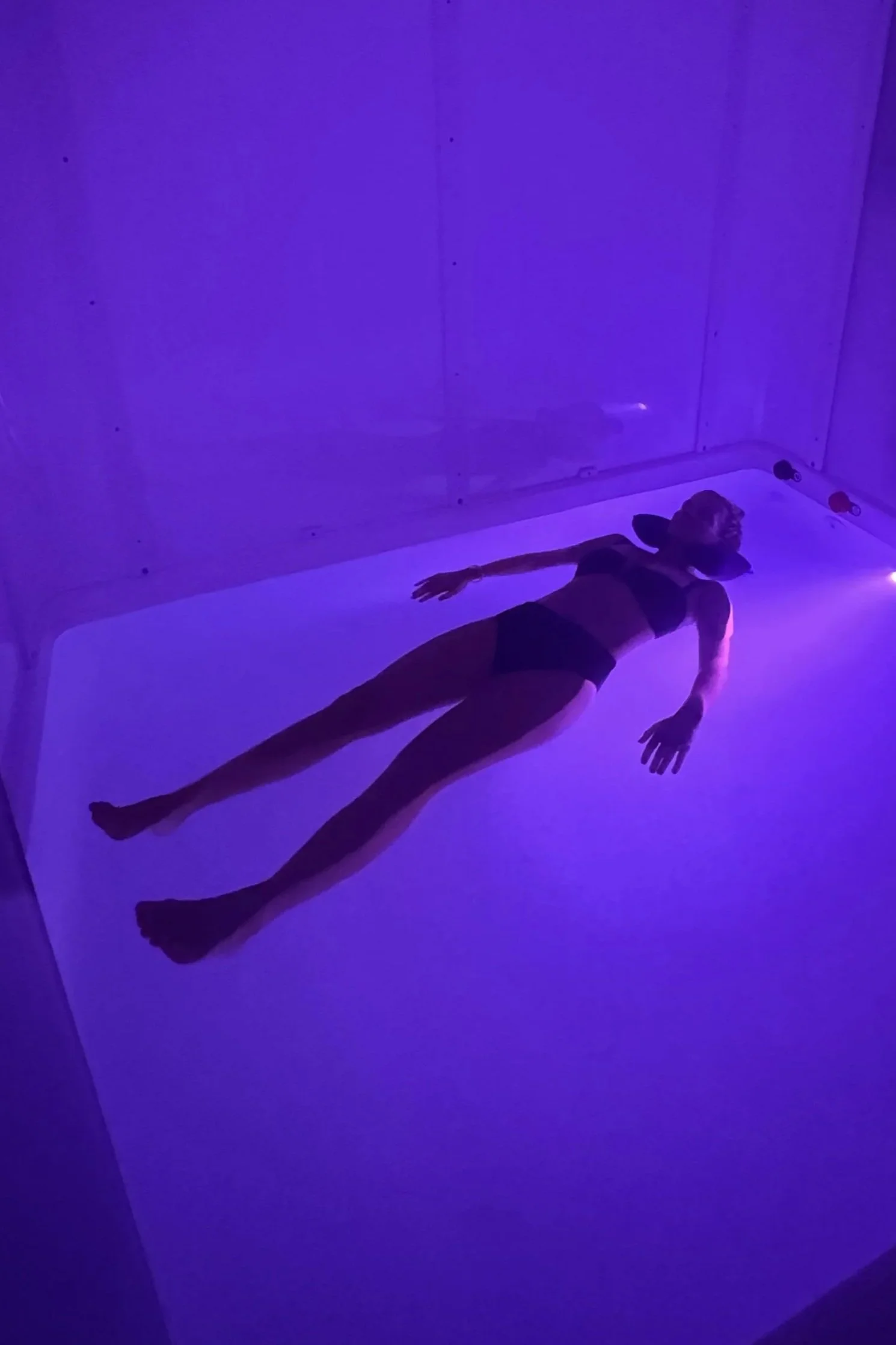
Float therapy, also known as sensory reduction therapy, allows the body and mind to fully relax by floating effortlessly in warm, mineral-rich water. With external stimulation reduced, your nervous system has space to downshift, recover, and reset.
Many clients describe floating as a state between meditation and deep rest. Where the body softens and the mind becomes quiet.
-
Lowers cortisol levels, reducing stress.
Increases dopamine and serotonin, enhancing mood and relaxation.
Scientific Research: A 2018 study found that one float session significantly reduced stress, anxiety, and depression, with effects lasting for days. (Feinstein et al., 2018)
-
Reduces hyperarousal and promotes deep relaxation.
Helps reset the amygdala, the brain’s fear center.
Scientific Research: Veterans with PTSD reported significant improvements in sleep, mood, and anxiety reduction after float therapy. (Feinstein et al., 2018)
-
Eases muscle tension and joint pain.
Reduces inflammation and pain sensitivity.
Scientific Research: Float therapy led to significant pain reduction in fibromyalgia patients, with long-term benefits after multiple sessions. (Kjellgren, Buhrkall, 2010)
-
Reduces lactic acid buildup, accelerating recovery.
Lowers heart rate and blood pressure, promoting relaxation.
Scientific Research: Float therapy improves muscle recovery time and enhances athletic performance. (Morgan et al., 2013)
-
Increases melatonin production for better sleep.
Helps retrain the brain for deeper, more restful sleep cycles.
Scientific Research: Floating improves sleep quality and duration, particularly for individuals with insomnia. (Ballard, 1993)
-
Promotes mindfulness and cognitive clarity.
Enhances dopamine production, improving focus.
Scientific Research: Floating has been shown to increase concentration and reduce hyperactivity in individuals with ADHD. (Suedfeld & Borrie, 1999)
Who Benefits Most from Floating?
Float therapy can be beneficial if you:
Feel mentally or physically overwhelmed
Carry chronic stress or tension
Have trouble relaxing or sleeping
Experience pain, muscle tightness, or fatigue
Want deep rest without effort or stimulation
Practice meditation, breathwork, or recovery-focused wellness


What to Expect
Arrival & Preparation
We will guide you through the process and answer any questions along the way.
Entering the Float Tank
You’ll float effortlessly in warm, mineral-rich water designed to match skin temperature.
The Float Experience
You may float in silence or with gentle music —completely customizable. You are always in control of your experience.
Post-Float Relaxation
Many clients feel deeply relaxed, mentally clear, and physically lighter.

Safety, Comfort & Customization
Designed for Comfort, Privacy & Safety
Our float rooms are private, professionally maintained, and designed with comfort in mind. You control lighting and sound, and our team is always available if needed.
Private rooms
Clean, filtered water
Hygienic protocols
Accessible support
Part of Our Immersion Lounge Experience

Float therapy is one of several immersive, non-invasive therapies offered in our Immersion Lounge. Many clients combine floating with massage therapy, sound therapy, or sauna sessions for deeper restoration.

Float Therapy FAQs
Do I need to know how to swim?
1
No. You float effortlessly on the surface of the water, similar to lying back in a shallow pool. No swimming skills are required.
Most people do not. Our float rooms are private and spacious, and you control the door, lighting, and sound at all times. You can exit the float whenever you choose.
2
Will I feel claustrophobic?
What should I wear?
3
Most clients float nude for the most comfortable experience, but you’re welcome to wear a swimsuit if you prefer. Privacy is always respected.
Many people benefit from floating once a month for maintenance, or weekly during periods of high stress, pain, or burnout. Your therapist can help you decide what’s best for you.
4
How often should I float?
Yes. Float therapy is a non-invasive, low-risk experience for most people. Our team will review any concerns with you before your session to ensure your comfort and safety.
5
Is float therapy safe?
Book Your Float Session
First time floating? We’ll guide you every step of the way.